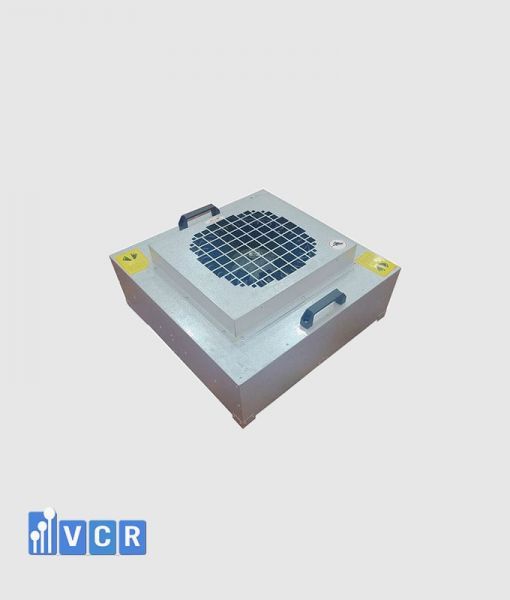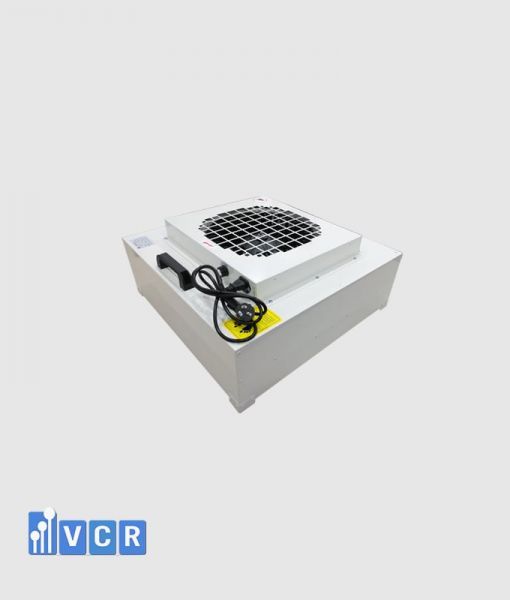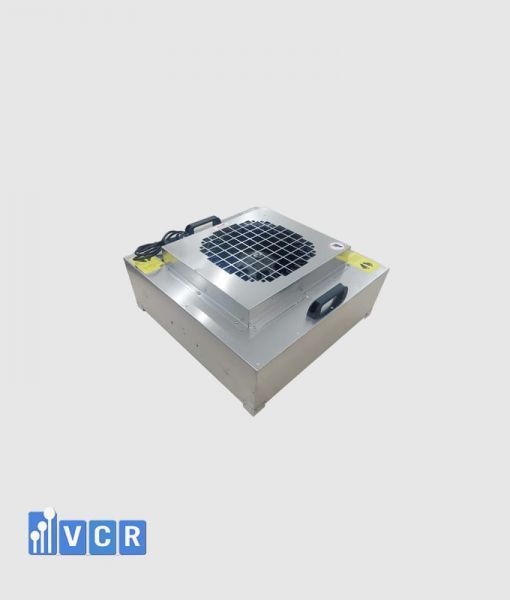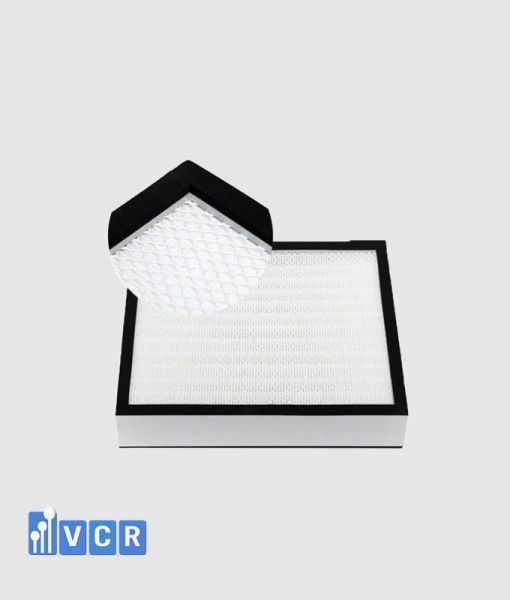


Proper FFU troubleshooting helps maintain stable cleanroom conditions and prevents production interruptions. Understanding root causes reduces risks and ensures ISO/GMP compliance.
- Why does an FFU not operate when powered on?
- Why does an FFU run but produce weak or no airflow?
- Why does an FFU produce abnormal noise during operation?
- How should strong vibration in an FFU be handled?
- What should be done when an FFU shows an alarm signal?
- How can FFU faults be checked quickly and effectively?
- When should specialized technical support be called?
- What causes a decrease in FFU filtration efficiency?
- How should airflow imbalance in FFUs be corrected?
- What happens if an FFU loses power suddenly?
- Can improper installation cause FFU failure?
- How should fan failure in an FFU be handled?
- How should control system failure be addressed?
- How should air leakage in an FFU be fixed?
- Is periodic inspection necessary to prevent FFU failures?
- Should FFUs be replaced if failures occur repeatedly?
- Can FFU failures cause contamination?
- Is an SOP required for FFU troubleshooting?
- Are incident logs required for FFU issues?
- How can FFU failures be minimized during operation?
In real-world operation, “VCR Cleanroom Equipment” has found that most FFU issues are not complex failures, but rather the result of lacking a clear troubleshooting process and structured diagnostics.
Why does an FFU not operate when powered on?
When an FFU fails to start after power is applied, the issue is typically related to the electrical system or control components. The first step is to check the incoming power supply, circuit breakers, and wiring connections to ensure they are not interrupted or loose. Next, verify the controller and startup signal to confirm that the unit is receiving the correct command. In some cases, overload protection or internal circuit faults may prevent operation. A systematic approach, starting from power supply to control systems, helps quickly identify the root cause and avoids unnecessary component replacement.
Why does an FFU run but produce weak or no airflow?
If an FFU is running but airflow is weak, the most common cause is a clogged HEPA filter, which increases resistance and reduces air volume. Additionally, the fan may be worn or not operating at the correct speed due to control issues. Air leakage caused by poor sealing or improper installation can also reduce effective airflow. A comprehensive inspection of the filter, fan, and sealing integrity is required to restore system performance. Identifying the correct cause ensures efficient troubleshooting and prevents recurring issues.
Why does an FFU produce abnormal noise during operation?
Abnormal noise usually indicates mechanical issues within the FFU, particularly related to the fan or bearings. Misaligned fan blades, worn bearings, or imbalance can generate excessive noise. Foreign objects entering the unit or loose installation components may also contribute to the problem. Early detection and correction are essential to prevent severe damage and maintain a stable working environment. Regular inspection helps identify noise-related issues before they escalate.
How should strong vibration in an FFU be handled?
Excessive vibration is often caused by fan imbalance, improper installation, or weak mounting structures. The first step is to check the mounting system and ensure all connections are secure. Then inspect the fan assembly for imbalance or mechanical wear. If necessary, rebalancing or replacing components may be required. Persistent vibration can damage the system and affect cleanroom performance, so timely intervention is critical.
What should be done when an FFU shows an alarm signal?
When an FFU displays an alarm, the first step is to identify the error code through the control system. Common alarms may indicate overload, fan failure, or electrical faults. Once identified, corrective actions should follow technical guidelines or SOP procedures. Ignoring alarm signals can lead to more severe system failures and compromise cleanroom conditions.
How can FFU faults be checked quickly and effectively?
A quick diagnostic approach involves checking power supply, fan operation, airflow output, and filter condition in sequence. Then, review control system signals and alarm indicators. Following a logical troubleshooting process saves time and ensures no critical factors are overlooked. In GMP environments, such procedures should be standardized for consistency.
When should specialized technical support be called?
If the issue involves complex control systems, electrical faults, or cannot be identified through basic inspection, professional technical support should be engaged. Attempting repairs without proper expertise may worsen the problem. Experienced technicians can accurately diagnose and resolve issues, ensuring safe and reliable operation.
What causes a decrease in FFU filtration efficiency?
Reduced filtration efficiency is often due to clogged, damaged, or leaking HEPA filters. Improper installation or sealing issues can also compromise performance. Testing using DOP or PAO methods helps identify filter integrity issues. Timely replacement ensures compliance with cleanroom standards and prevents contamination.
How should airflow imbalance in FFUs be corrected?
Airflow imbalance may result from uneven fan performance, clogged filters, or poor system design. Each FFU should be measured and adjusted individually to restore balance. Coordination with HVAC systems is also necessary. Proper airflow balance ensures stable environmental conditions and prevents cross-contamination.
What happens if an FFU loses power suddenly?
A sudden power loss disrupts airflow and may increase particle concentration in the cleanroom. This is particularly critical in sensitive production areas. After power restoration, the system must be fully checked before restarting. Backup systems can help mitigate such risks.
Can improper installation cause FFU failure?
Yes, incorrect installation is a common cause of FFU issues, including misalignment, poor sealing, and incorrect positioning. These errors can disrupt airflow and reduce efficiency. Following proper installation procedures minimizes such risks.
How should fan failure in an FFU be handled?
Fan failure requires inspection of blades, bearings, and motor performance. If damage is severe, replacement is necessary to restore airflow. Prompt action prevents further system impact.
How should control system failure be addressed?
Control system issues can prevent FFU operation or cause instability. Checking signals, wiring, and control boards is essential. Faulty components may need replacement to restore functionality.
How should air leakage in an FFU be fixed?
Air leakage reduces filtration efficiency and increases contamination risk. All joints and seals must be inspected and repaired to ensure airtightness. Proper sealing is critical for performance.
Is periodic inspection necessary to prevent FFU failures?
Yes, regular inspection helps identify early signs of issues and prevents major failures. Preventive maintenance ensures consistent performance and reliability.
Should FFUs be replaced if failures occur repeatedly?
If repeated failures occur despite repairs, the unit may be degraded and require replacement. Replacing the unit can improve performance and reduce long-term costs.
Can FFU failures cause contamination?
Yes, malfunctioning FFUs can lead to increased particle levels and contamination risks. This directly affects product quality and compliance.
Is an SOP required for FFU troubleshooting?
Yes, SOPs standardize troubleshooting procedures and ensure consistent response. They are essential for GMP compliance and operational reliability.
Are incident logs required for FFU issues?
Yes, logging incidents helps track recurring issues and improve system performance. Proper documentation supports management and audits.
How can FFU failures be minimized during operation?
Failures can be minimized through regular maintenance, proper operation, and staff training. Continuous monitoring allows early detection of issues. A proactive approach ensures system stability and reduces risks.
Duong VCR