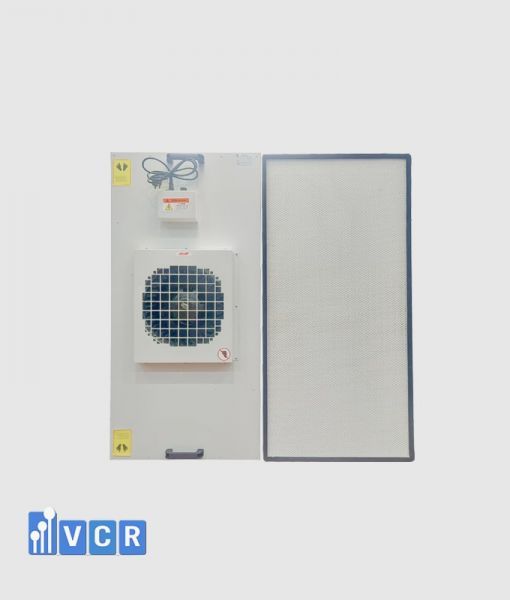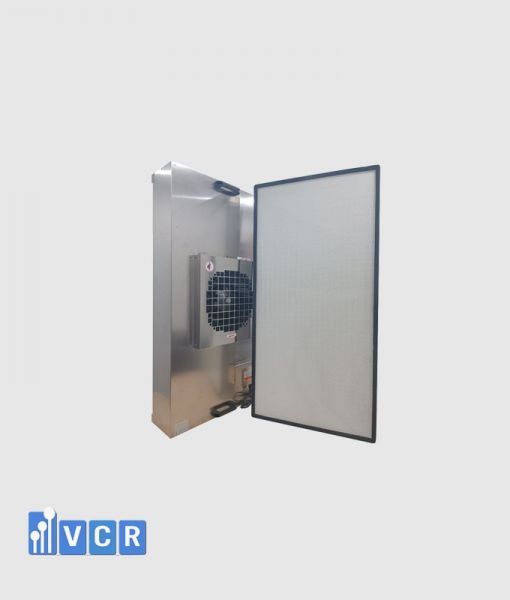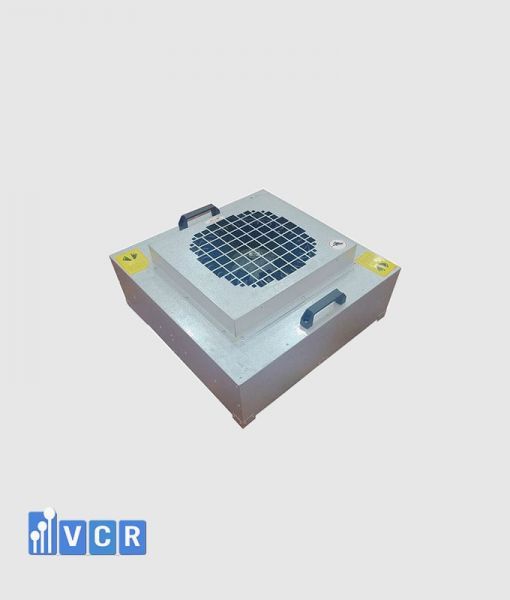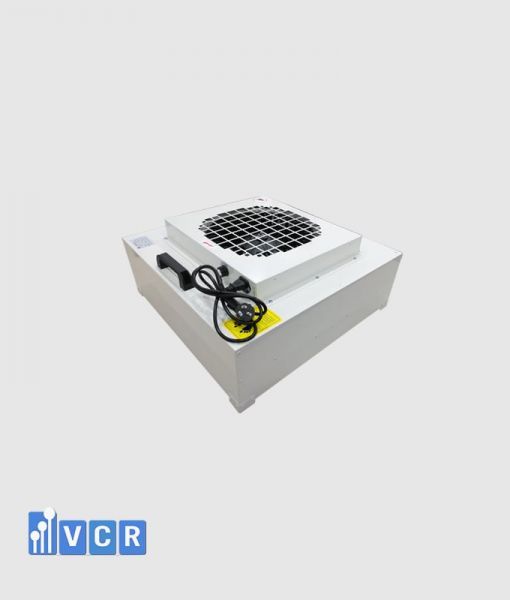

Proper FFU maintenance ensures filtration efficiency, stable airflow, and extended equipment lifespan. It is a key factor in maintaining ISO and GMP compliance in cleanroom operations.
- How often should FFUs be maintained to ensure performance?
- What are the standard steps in periodic FFU inspection?
- Which FFU components require regular replacement?
- What should be included in an FFU maintenance checklist?
- What are the signs that an FFU requires maintenance?
- Do FFUs require periodic HEPA filter testing?
- Is airflow verification required during maintenance?
- Is airtightness testing required for FFUs?
- Is noise monitoring necessary during maintenance?
- Is vibration monitoring required for FFUs?
- Do FFUs require regular cleaning?
- Do FFU fans require periodic replacement?
- Is electrical system inspection required for FFUs?
- Are maintenance logs required for FFUs?
- Is a maintenance SOP required for FFUs?
- Can FFU performance degrade without maintenance?
- Is pressure differential monitoring required?
- Is microbial monitoring required for FFUs?
- Can maintenance improve FFU performance?
- How can an effective FFU maintenance plan be developed?
In real-world operation, “VCR Cleanroom Equipment” has found that many system performance issues are not caused by design, but by insufficient maintenance and lack of proper equipment control.
How often should FFUs be maintained to ensure performance?
The maintenance frequency of FFUs depends on operating conditions, cleanliness level, and system workload. In GMP cleanrooms, FFUs are typically inspected monthly and undergo more comprehensive maintenance quarterly or semi-annually. In environments with high particle loads or continuous operation, maintenance intervals may need to be shorter. Regular servicing helps detect early signs of performance degradation such as reduced airflow or increased noise. Proper maintenance scheduling ensures stable operation, prolongs equipment lifespan, and maintains compliance with cleanroom standards.
What are the standard steps in periodic FFU inspection?
Periodic inspection of FFUs includes checking fan performance, measuring airflow, evaluating filter condition, and verifying electrical systems. Additionally, airtightness must be checked to ensure no leakage of unfiltered air. These steps confirm that the FFU is operating as designed and not compromising cleanroom conditions. A structured inspection process helps maintain performance and reduces the risk of unexpected failures.
Which FFU components require regular replacement?
Key components requiring periodic replacement include HEPA or ULPA filters, fans, and certain electrical parts such as capacitors or controllers. The filter is the most critical component and must be replaced when efficiency drops or service life is reached. Timely replacement ensures consistent filtration performance and compliance with cleanroom standards. Ignoring replacement schedules can lead to contamination risks and system inefficiency.
What should be included in an FFU maintenance checklist?
An FFU maintenance checklist should cover mechanical inspection, electrical verification, airflow measurement, filter condition, and airtightness checks. It should also include recording equipment status and measured parameters. A comprehensive checklist ensures no critical steps are missed and supports GMP audit requirements. Proper documentation enhances traceability and system control.
What are the signs that an FFU requires maintenance?
Common signs include reduced airflow, increased noise, vibration, or abnormal pressure readings. An increase in particle concentration within the cleanroom may also indicate FFU performance issues. Early identification of these signs allows timely corrective action and prevents larger system failures. Monitoring performance trends is essential for proactive maintenance.
Do FFUs require periodic HEPA filter testing?
Yes, HEPA filters must be tested regularly using methods such as DOP or PAO testing to verify filtration efficiency. These tests detect leaks or degradation that could compromise cleanroom performance. Regular testing is a mandatory requirement in GMP environments and ensures that the filtration system remains effective. If the filter fails the test, it must be replaced immediately to prevent contamination risks.
Is airflow verification required during maintenance?
Yes, airflow must be measured periodically to ensure it meets design specifications. Reduced airflow may result from clogged filters or fan issues. If not addressed, this can lead to uneven air distribution and increased particle levels. Airflow verification is essential for maintaining system stability and compliance.
Is airtightness testing required for FFUs?
Yes, airtightness testing ensures that no unfiltered air enters the cleanroom environment. Leaks can significantly reduce filtration efficiency and lead to contamination. Testing is typically performed using specialized methods and is a critical part of maintenance procedures.
Is noise monitoring necessary during maintenance?
Yes, abnormal noise can indicate mechanical issues such as fan imbalance or wear. Regular noise checks help detect problems early and prevent major failures. Maintaining acceptable noise levels also improves working conditions.
Is vibration monitoring required for FFUs?
Yes, vibration monitoring helps ensure stable operation and prevents structural damage. Excessive vibration can reduce equipment lifespan and affect airflow performance. Early detection allows timely corrective action.
Do FFUs require regular cleaning?
Yes, FFUs must be cleaned regularly to remove accumulated dust and contaminants. Cleaning helps maintain performance and reduce contamination risks. In GMP environments, cleaning must follow SOPs and be properly documented. Regular cleaning also extends equipment life and ensures consistent airflow quality.
Do FFU fans require periodic replacement?
FFU fans do not have a fixed replacement interval but must be inspected regularly for performance issues. Signs such as unusual noise, vibration, or reduced airflow may indicate the need for replacement. Proper maintenance can significantly extend fan lifespan, but timely replacement is necessary to maintain system efficiency.
Is electrical system inspection required for FFUs?
Yes, electrical systems must be inspected regularly to ensure safe and stable operation. Connections, wiring, and control components should be checked to prevent faults or failures. Electrical inspection is a critical part of preventive maintenance.
Are maintenance logs required for FFUs?
Yes, maintenance logs are essential for tracking equipment history and supporting GMP audits. Logs should record maintenance dates, performed tasks, and inspection results. Proper documentation improves system management and traceability.
Is a maintenance SOP required for FFUs?
Yes, a maintenance SOP standardizes procedures and ensures consistency. It helps reduce errors and supports regulatory compliance. Clear SOPs improve maintenance quality and audit readiness.
Can FFU performance degrade without maintenance?
Yes, lack of maintenance can lead to reduced airflow, increased energy consumption, and decreased filtration efficiency. This directly impacts cleanroom performance and product quality. Regular maintenance is essential for sustained performance.
Is pressure differential monitoring required?
Yes, pressure monitoring ensures stable operation and prevents contamination risks. Deviations in pressure can indicate system imbalance and require immediate attention. Regular checks maintain system integrity.
Is microbial monitoring required for FFUs?
In GMP environments, microbial monitoring ensures that FFUs do not become contamination sources. Regular checks and cleaning help maintain hygienic conditions and compliance.
Can maintenance improve FFU performance?
Yes, proper maintenance can restore and optimize FFU performance by ensuring all components function correctly. It reduces energy consumption and enhances system reliability. Maintenance is a key factor in long-term efficiency.
How can an effective FFU maintenance plan be developed?
An effective maintenance plan should be based on standards, operating conditions, and system requirements. It should include scheduled inspections, preventive maintenance, staff training, and proper documentation. A well-structured plan ensures consistent performance and long-term compliance.
Duong VCR