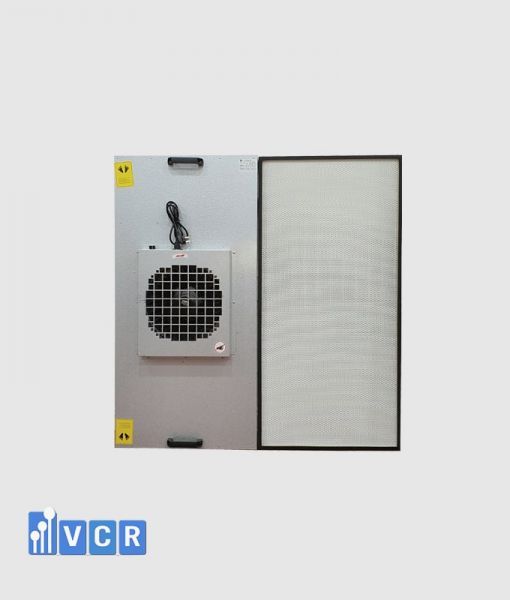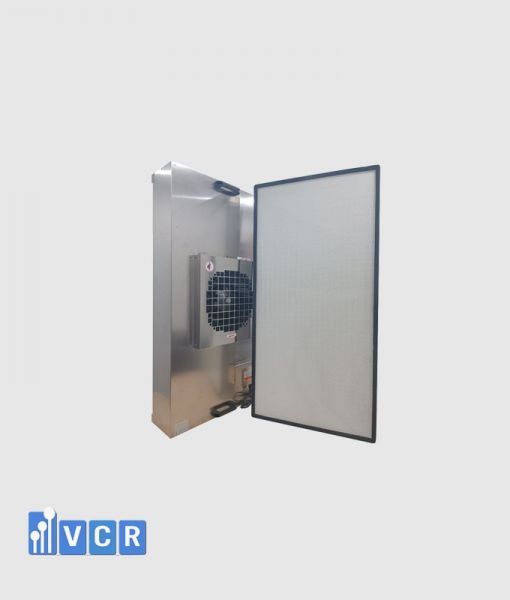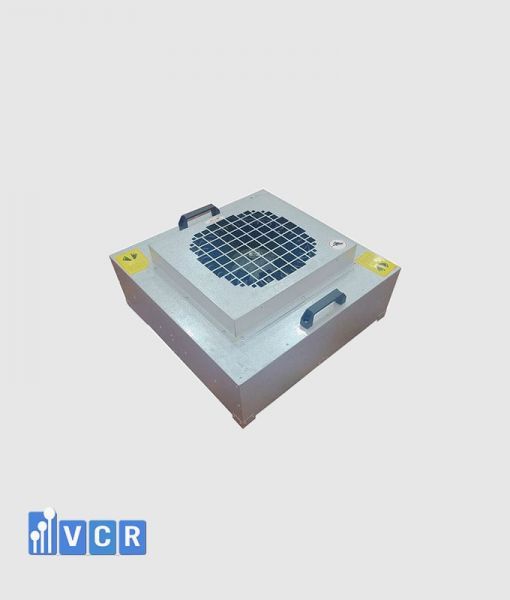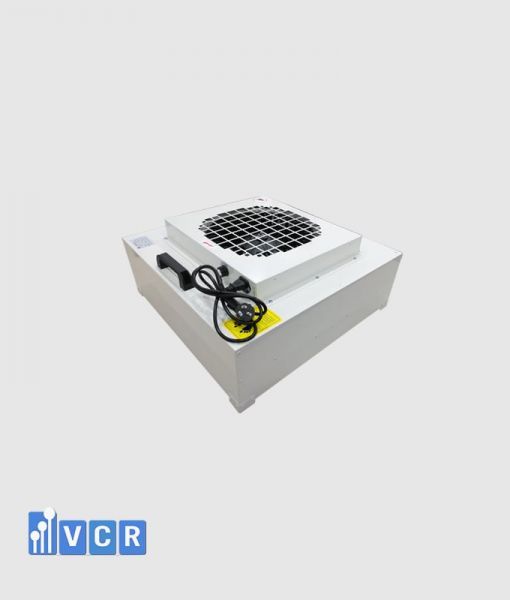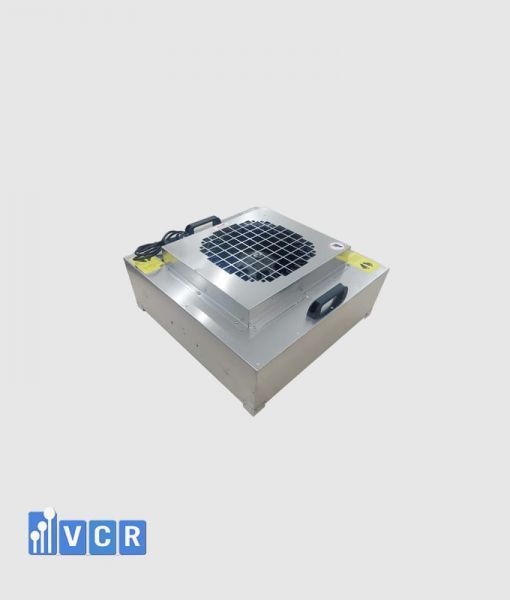


Proper FFU installation directly determines airflow performance and the ability to meet ISO/GMP standards. Understanding the process helps avoid errors and ensures stable long-term operation.
- What are the standard steps for FFU installation?
- Where should FFUs be installed to optimize airflow?
- How should the spacing between FFUs be determined?
- What preparations are required before installing FFUs?
- Does FFU installation directly affect airflow performance?
- Is alignment required after FFU installation?
- Do FFUs require proper electrical connection standards?
- Should FFUs be integrated with HVAC systems during installation?
- Is airtightness testing required during FFU installation?
- Is airflow testing required after installation?
- Is vibration testing required after installation?
- Is noise testing required after installation?
- What are the common mistakes during FFU installation?
- How can installation errors be detected?
- What does an FFU acceptance checklist include?
- Is operator training required after installation?
- Is an SOP required for FFU installation?
- Is system shutdown required during FFU installation?
- When can FFUs be officially commissioned?
- How can FFU installation meet GMP standards?
In real-world implementation, “VCR Cleanroom Equipment” has found that many systems fail not because of equipment quality, but due to improper installation and poor FFU alignment.
What are the standard steps for FFU installation?
The installation process begins with reviewing design drawings and identifying exact mounting positions on the cleanroom ceiling grid. A proper suspension system must be prepared to ensure load capacity and long-term stability. The FFU is then positioned, leveled, and securely fixed to prevent vibration during operation. Electrical connections are completed according to specifications, followed by system control checks. Finally, commissioning includes airflow measurement, airtightness verification, and performance testing to confirm that all parameters meet design requirements before final acceptance.
Where should FFUs be installed to optimize airflow?
FFUs are typically installed in a ceiling grid layout to ensure uniform airflow distribution across the working area. Their placement must consider process layout and critical zones such as sterile or high-precision areas, where higher FFU density is required. Incorrect placement can create dead zones or airflow turbulence, negatively affecting cleanroom classification. Proper positioning ensures stable laminar airflow and consistent environmental control.
How should the spacing between FFUs be determined?
There is no fixed spacing standard; it must be calculated based on airflow requirements, cleanroom classification, and air change rates (ACH). High-class cleanrooms such as ISO Class 5 require tighter spacing to maintain continuous and uniform airflow. Excessive spacing may lead to insufficient clean air coverage, while overly dense installation increases energy consumption unnecessarily. Therefore, spacing should be defined through engineering calculations and airflow modeling.
What preparations are required before installing FFUs?
Before installation, it is essential to verify design drawings, ceiling structure, and load-bearing capacity. Electrical supply, control systems, and related infrastructure must be ready. The installation area should be clean and free of obstructions to prevent contamination. Proper preparation minimizes installation errors and ensures smooth execution according to schedule.
Does FFU installation directly affect airflow performance?
Yes, installation quality directly impacts airflow distribution. Misalignment, improper sealing, or incorrect positioning can cause turbulence and disrupt laminar airflow. This leads to increased particle concentration and reduced cleanroom efficiency. Therefore, precise installation is critical for maintaining performance and compliance.
Is alignment required after FFU installation?
Yes, FFUs must be carefully leveled and aligned after installation to ensure even airflow distribution. Proper alignment prevents vibration, noise, and uneven air delivery. Without this step, system performance and equipment lifespan may be compromised.
Do FFUs require proper electrical connection standards?
Yes, FFUs must be connected according to electrical standards to ensure safety and stable operation. Incorrect wiring can lead to equipment failure or safety hazards. Proper grounding and overload protection are essential during installation.
Should FFUs be integrated with HVAC systems during installation?
FFUs must be coordinated with HVAC systems to maintain airflow balance and pressure differentials. Improper integration can lead to inefficiency or system instability. A well-integrated system ensures optimal performance and compliance.
Is airtightness testing required during FFU installation?
Yes, airtightness must be verified to prevent leakage of unfiltered air into the cleanroom. Seals and joints should be carefully inspected to ensure complete integrity. This is essential for maintaining cleanliness levels.
Is airflow testing required after installation?
Yes, airflow must be measured to confirm that velocity and volume meet design specifications. Testing helps identify deviations and allows adjustments before final acceptance. Skipping this step can lead to undetected performance issues.
Is vibration testing required after installation?
Yes, vibration checks ensure stable operation and prevent structural impact. Excessive vibration can reduce equipment lifespan and increase noise levels. Early detection allows corrective action.
Is noise testing required after installation?
Yes, noise levels should be measured to ensure compliance with workplace standards. High noise can affect operator comfort and system performance. Proper testing ensures a suitable working environment.
What are the common mistakes during FFU installation?
Common errors include incorrect positioning, poor alignment, improper electrical connections, and lack of airflow testing. These issues can lead to failure in meeting cleanroom standards and increase rework costs. Following procedures reduces such risks.
How can installation errors be detected?
Errors can be identified through airflow measurements, airtightness testing, and comparison with design drawings. Visual inspection and performance testing are essential for early detection. Addressing issues early reduces costs and delays.
What does an FFU acceptance checklist include?
The checklist includes mechanical inspection, electrical verification, airflow testing, airtightness checks, and documentation review. It ensures that all installation aspects meet requirements before handover.
Is operator training required after installation?
Yes, training ensures that operators understand proper use and basic troubleshooting. This reduces operational errors and supports compliance with GMP requirements.
Is an SOP required for FFU installation?
Yes, SOPs standardize installation procedures and ensure consistent quality. They also support audit readiness and reduce variability in execution.
Is system shutdown required during FFU installation?
In many cases, system shutdown is necessary to ensure safety and prevent contamination. The requirement depends on site conditions and project scope.
When can FFUs be officially commissioned?
FFUs can be commissioned only after installation, testing, and acceptance procedures are completed. This ensures that all performance criteria are met.
How can FFU installation meet GMP standards?
Compliance is achieved by following validated procedures, performing thorough testing, maintaining documentation, and ensuring proper training. Continuous supervision ensures consistent quality and audit readiness.
Duong VCR