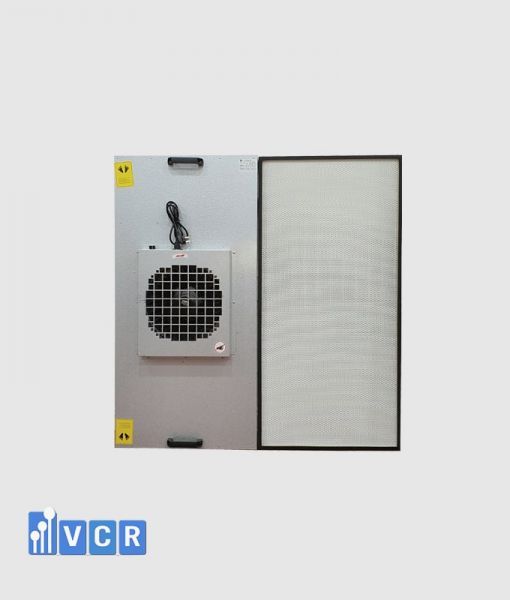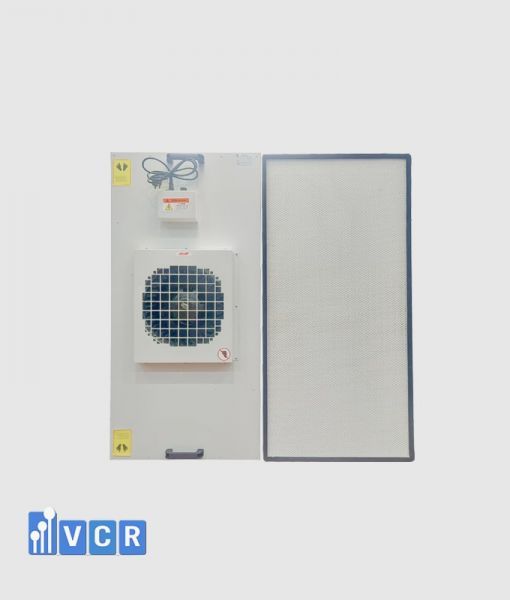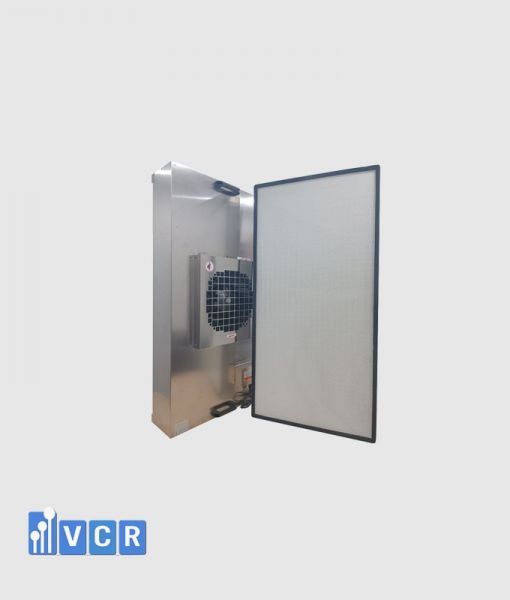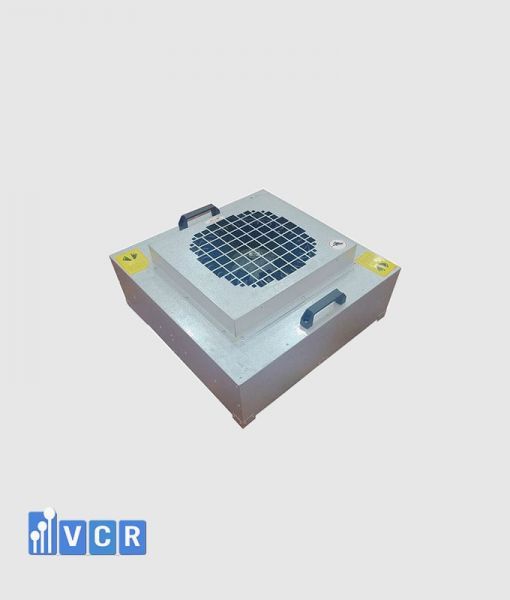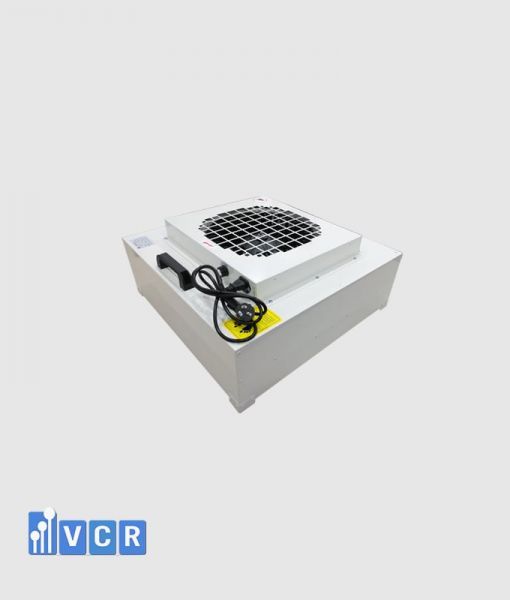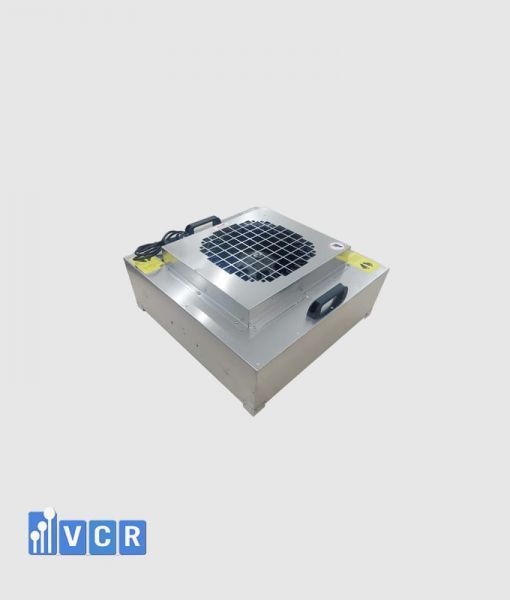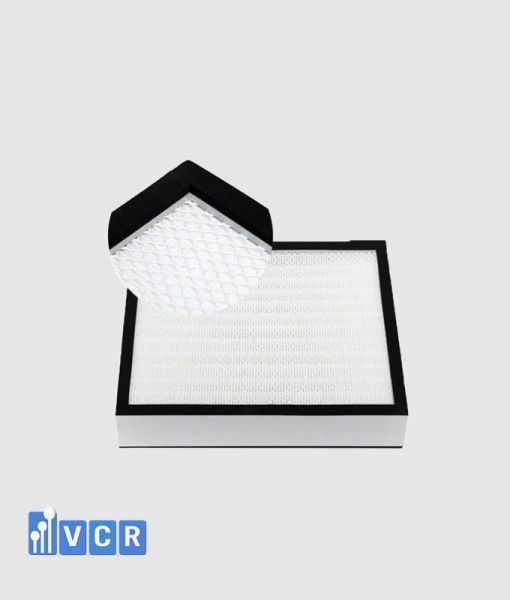

FFUs are critical components that directly impact ISO and GMP compliance in cleanrooms. Understanding the relevant standards ensures stable operation and successful audit outcomes.
- How are FFUs related to ISO 14644 standards?
- Do FFUs affect cleanroom ISO classification?
- What does EU GMP Annex 1 require regarding FFUs?
- Does WHO GMP specifically require FFUs?
- Do FFUs require validation in GMP systems?
- Do FFUs require IQ/OQ/PQ qualification?
- Do FFUs require periodic HEPA filter testing?
- Is airflow testing required for FFUs?
- Do FFUs require pressure differential checks?
- Are SOPs required for FFU operation?
- Are operational logs required for FFUs?
- Do FFUs require periodic maintenance?
- Is microbial control required for FFUs?
- Is technical documentation required for FFUs?
- Do FFUs need noise control considerations?
- Should FFUs be integrated with monitoring systems?
- Do FFUs need to comply with other international standards?
- Is airtightness testing required for FFUs?
- Is risk assessment required for FFUs?
- How can FFUs remain audit-ready at all times?
In real-world implementation and audits, “VCR Cleanroom Equipment” has found that FFUs are not just air supply devices but key control points that determine overall compliance performance.
How are FFUs related to ISO 14644 standards?
FFUs are directly linked to ISO 14644 because they generate and maintain clean airflow that controls particle concentration in cleanrooms. The standard defines allowable particle limits for each cleanliness class, and FFUs help achieve these limits by filtering air through HEPA or ULPA filters. The number of FFUs, airflow rate, and installation layout all influence particle count results. Therefore, FFUs are not just supporting equipment but a core design element for achieving and maintaining ISO classification.
Do FFUs affect cleanroom ISO classification?
Yes, FFUs have a direct impact on cleanroom classification because they determine airflow volume and distribution. Poor FFU design or insufficient coverage can create dead zones where particle concentration exceeds limits. Proper FFU design ensures uniform airflow and stable environmental conditions. As a result, FFUs are one of the most critical factors in achieving consistent ISO compliance.
What does EU GMP Annex 1 require regarding FFUs?
EU GMP Annex 1 does not explicitly require FFUs but sets strict requirements for environmental control, particularly unidirectional airflow and microbial control in Grade A and B areas. FFUs are widely used to achieve laminar airflow and meet these requirements. Additionally, Annex 1 emphasizes continuous monitoring and system control, which FFUs can support when properly integrated with HVAC and monitoring systems.
Does WHO GMP specifically require FFUs?
WHO GMP does not explicitly mandate FFUs, but it requires HVAC systems to effectively control particles and microorganisms. FFUs are commonly used as a technical solution to meet these requirements. In practice, many pharmaceutical facilities rely on FFUs to achieve compliance, especially in high-cleanliness areas.
Do FFUs require validation in GMP systems?
Yes, FFUs must be validated as part of the environmental control system in GMP facilities. Validation demonstrates that the equipment performs as intended and meets operational requirements. This typically includes testing airflow, filtration efficiency, and stability. Without proper validation, FFUs may not meet GMP compliance standards.
Do FFUs require IQ/OQ/PQ qualification?
Yes, FFUs typically require Installation Qualification (IQ), Operational Qualification (OQ), and Performance Qualification (PQ) in GMP environments. IQ confirms correct installation, OQ verifies functional performance, and PQ demonstrates consistent performance under real conditions. These steps ensure that FFUs are suitable for their intended use and meet regulatory requirements.
Do FFUs require periodic HEPA filter testing?
Yes, HEPA filters in FFUs must be tested periodically using methods such as DOP or PAO testing to ensure filtration efficiency remains within required limits. Regular testing helps detect performance degradation and prevent contamination risks. The frequency depends on usage and regulatory requirements.
Is airflow testing required for FFUs?
Yes, airflow testing is essential to ensure that FFUs deliver the correct volume and velocity of air. Improper airflow can result in uneven distribution and increased particle concentration. Testing is typically performed using specialized instruments and is a key requirement in GMP validation.
Do FFUs require pressure differential checks?
Yes, FFUs influence pressure differentials between cleanroom areas and must be monitored to maintain system stability. Incorrect pressure can lead to cross-contamination and product quality issues. Pressure checks are typically part of HVAC system validation.
Are SOPs required for FFU operation?
Yes, SOPs are mandatory in GMP environments to ensure proper operation, maintenance, and troubleshooting of FFUs. SOPs reduce operational errors and ensure consistent compliance. Auditors often verify both SOP documentation and operator adherence.
Are operational logs required for FFUs?
Yes, operational logs are necessary to track equipment usage and performance. These logs provide traceability and serve as evidence during audits. Missing or incomplete logs are common compliance issues.
Do FFUs require periodic maintenance?
Yes, regular maintenance is essential to ensure stable performance and compliance. Maintenance activities include checking fans, filters, and control systems. Lack of maintenance can lead to reduced efficiency and audit failures.
Is microbial control required for FFUs?
In pharmaceutical environments, microbial control is essential to ensure FFUs do not become contamination sources. This may include periodic monitoring and cleaning according to SOPs.
Is technical documentation required for FFUs?
Yes, technical documentation such as drawings, specifications, and manuals is required in GMP systems. These documents support validation, operation, and audit readiness.
Do FFUs need noise control considerations?
Yes, FFU noise levels should be controlled to maintain a safe and comfortable working environment. Proper design helps reduce noise and meet workplace standards.
Should FFUs be integrated with monitoring systems?
In modern facilities, FFUs are often integrated with monitoring systems to track performance and detect issues early. This improves control and supports audit compliance.
Do FFUs need to comply with other international standards?
Depending on the industry and region, FFUs may need to comply with additional international standards beyond ISO and GMP. This ensures regulatory acceptance and product safety.
Is airtightness testing required for FFUs?
Yes, airtightness must be verified to ensure no unfiltered air leaks into the cleanroom environment. Proper sealing is critical for maintaining cleanliness levels.
Is risk assessment required for FFUs?
Yes, risk assessment is part of modern GMP practices. It helps identify potential contamination risks associated with FFUs and implement appropriate controls.
How can FFUs remain audit-ready at all times?
To keep FFUs audit-ready, facilities must maintain SOP compliance, perform regular maintenance and testing, keep complete documentation, and ensure staff training. Continuous monitoring and proper record-keeping ensure the system remains compliant and ready for inspection.
Duong VCR