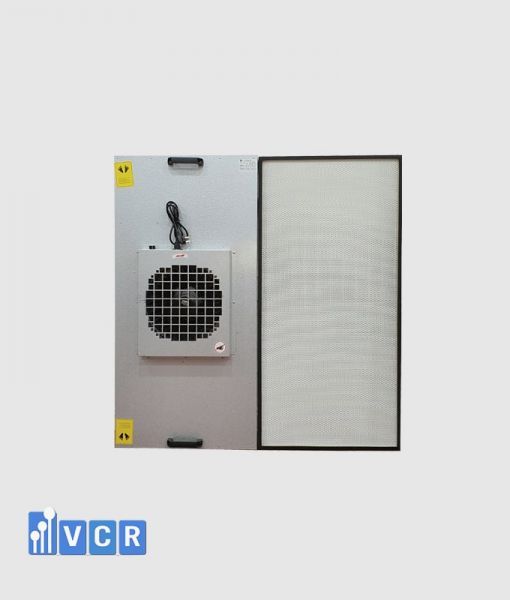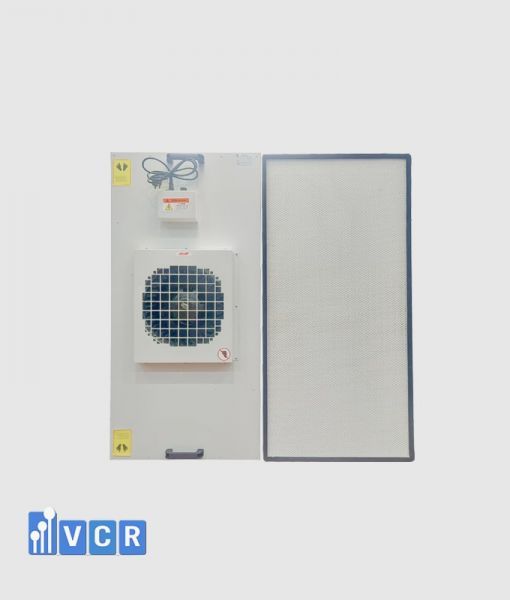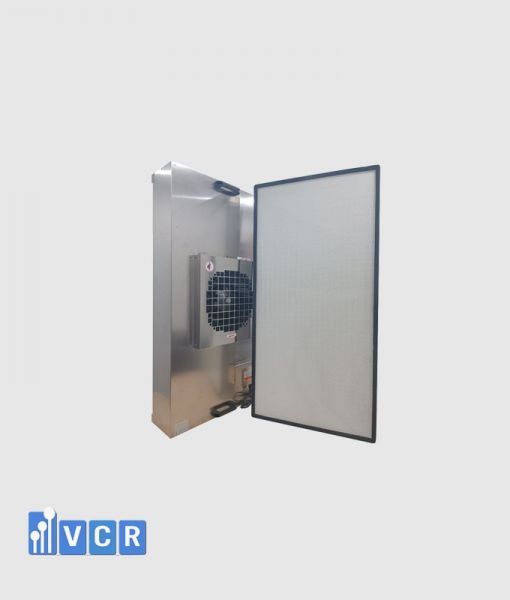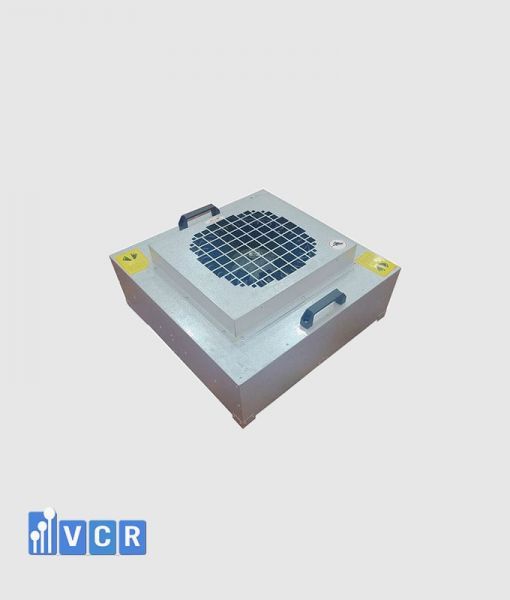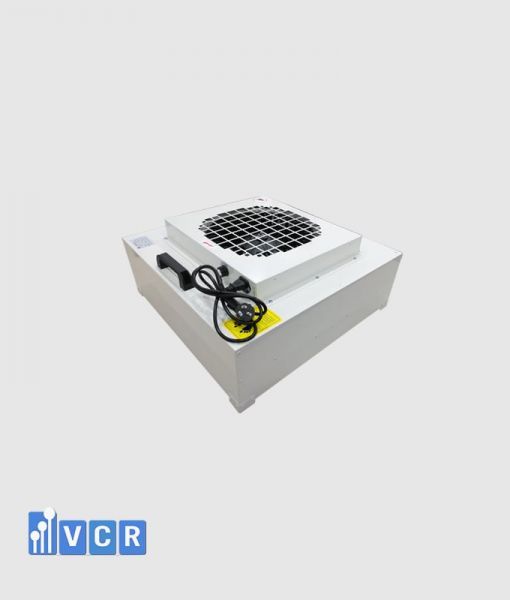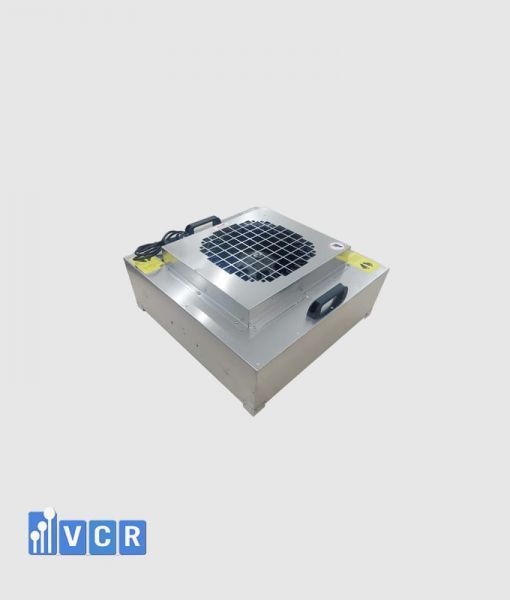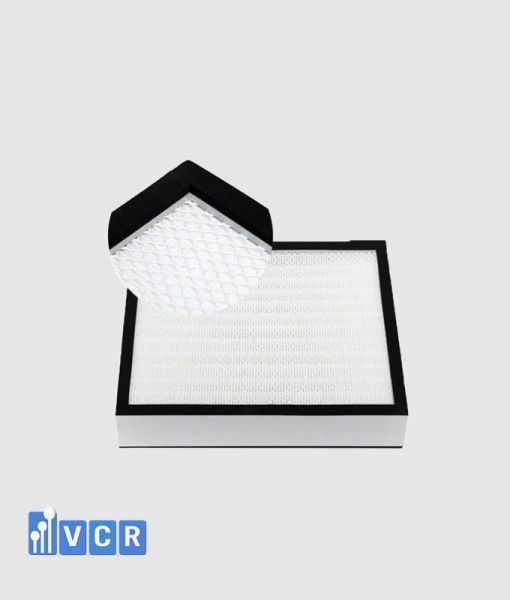


FFU is a flexible solution for controlling cleanroom environments across multiple industries. Understanding its applications helps optimize design, operation, and compliance with ISO and GMP standards.
- How are FFUs used in the pharmaceutical industry?
- How are FFUs applied in electronics manufacturing?
- Are FFUs used in laboratories?
- How are FFUs used in sterile environments?
- Are FFUs required in airlocks?
- How are FFUs used in the food industry?
- What is the role of FFUs in cosmetic manufacturing?
- Are FFUs used in hospitals?
- How are FFUs used in SMT production lines?
- What role do FFUs play in the semiconductor industry?
- Are FFUs suitable for ISO Class 5 cleanrooms?
- Are FFUs used in ISO Class 7 cleanrooms?
- Are FFUs used in clean booths?
- Are FFUs used in isolators?
- Are FFUs used in biological research labs?
- Are FFUs used in medical device manufacturing?
- Are FFUs used in clean storage areas?
- Are FFUs used in testing rooms?
- Are FFUs used in the automotive industry?
- Can FFUs be used across multiple industries?
In real-world implementation, “VCR Cleanroom Equipment” has found that FFUs are not “one-size-fits-all” devices, but must be configured based on each industry to achieve optimal contamination control.
How are FFUs used in the pharmaceutical industry?
In the pharmaceutical industry, FFUs are used to create and maintain clean environments that comply with GMP standards, especially in sterile production areas such as compounding, filling, and packaging. The unit continuously supplies clean air through HEPA or ULPA filters, effectively removing particles and microorganisms. FFUs are typically ceiling-mounted to generate vertical laminar airflow that protects critical processes and products from contamination. In Grade A and B areas, FFUs are often essential components to maintain strict environmental control and ensure product safety.
How are FFUs applied in electronics manufacturing?
In electronics manufacturing, particularly in semiconductor and microchip production, FFUs are used to control ultra-fine particles that can damage sensitive components. Cleanrooms in this industry often require very high standards such as ISO Class 3–5, which necessitates dense FFU coverage across the ceiling to ensure uniform airflow. FFUs may also be combined with ESD-safe materials to minimize electrostatic risks. Their use significantly improves product yield, reduces defects, and enhances overall manufacturing reliability.
Are FFUs used in laboratories?
FFUs are widely used in laboratories to maintain controlled environments for research and testing. They help remove airborne particles and microorganisms, ensuring the accuracy and reliability of experimental results. In biological or chemical labs, FFUs are often integrated with biosafety cabinets or clean benches to enhance contamination control. By maintaining stable environmental conditions, FFUs protect both samples and operators from cross-contamination risks.
How are FFUs used in sterile environments?
In sterile environments, FFUs provide continuous clean airflow to maintain a microorganism-free workspace. They create a protective clean air layer above critical zones, preventing contamination from surrounding areas. This is particularly important in aseptic processing, such as injectable drug manufacturing. FFUs are typically designed with high-efficiency filters and arranged to produce laminar airflow, ensuring maximum protection and compliance with stringent standards.
Are FFUs required in airlocks?
FFUs can be used in airlocks to enhance contamination control, especially when there is a difference in cleanliness levels between adjacent areas. They help stabilize airflow and support pressure control during personnel or material transfer. While not always mandatory, FFUs in airlocks are often recommended in high-GMP environments to reduce cross-contamination risks and improve overall environmental control.
How are FFUs used in the food industry?
In the food industry, FFUs are applied in areas requiring high hygiene standards, such as processing and packaging zones. They help control airborne particles and microorganisms, ensuring product safety and extending shelf life. FFUs are commonly used in facilities producing functional foods, dairy products, or ready-to-eat meals, where environmental cleanliness directly impacts product quality and compliance.
What is the role of FFUs in cosmetic manufacturing?
In cosmetic production, FFUs are used to maintain clean environments that prevent contamination of products. This is especially important for skincare and high-end cosmetic items, where purity and consistency are critical. FFUs help stabilize airflow and reduce airborne contaminants, ensuring product safety and quality.
Are FFUs used in hospitals?
FFUs are used in hospitals in areas such as operating rooms, ICUs, and isolation rooms to control infection risks. They provide continuous clean airflow, reducing the spread of airborne contaminants. Their use enhances patient safety and improves clinical outcomes.
How are FFUs used in SMT production lines?
In SMT production lines, FFUs help control fine particles that can affect circuit board assembly. They provide a stable clean environment, ensuring precision and reducing defects in electronic components.
What role do FFUs play in the semiconductor industry?
In semiconductor manufacturing, FFUs are critical for achieving ultra-clean environments. Wafers are extremely sensitive to contamination, and FFUs ensure that airborne particles are minimized throughout the production process.
Are FFUs suitable for ISO Class 5 cleanrooms?
FFUs are widely used in ISO Class 5 cleanrooms due to their ability to create stable laminar airflow. When properly designed, they ensure particle concentrations remain within strict limits required by the standard.
Are FFUs used in ISO Class 7 cleanrooms?
Yes, FFUs are also used in ISO Class 7 cleanrooms to improve airflow stability and support HVAC systems. They enhance environmental control even in less stringent applications.
Are FFUs used in clean booths?
FFUs are the main component of clean booths, providing localized clean environments within open spaces. They allow for cost-effective cleanroom solutions without full facility construction.
Are FFUs used in isolators?
In isolators, FFUs help maintain a sealed and controlled clean environment. They provide filtered airflow within enclosed systems, ensuring high levels of contamination control.
Are FFUs used in biological research labs?
FFUs are used in biological research to control microbial contamination and maintain safe experimental conditions. They help protect both samples and researchers.
Are FFUs used in medical device manufacturing?
In medical device production, FFUs ensure clean environments that prevent contamination of products. This is essential for meeting regulatory and safety standards.
Are FFUs used in clean storage areas?
FFUs are used in clean storage areas to maintain stable environmental conditions for sensitive products. They help control dust and microbial contamination during storage.
Are FFUs used in testing rooms?
In testing rooms, FFUs provide stable and controlled environments, ensuring accurate and repeatable test results. They minimize external environmental interference.
Are FFUs used in the automotive industry?
In the automotive industry, FFUs are used in precision manufacturing and painting processes where clean environments are required. They help improve product quality and reduce defects.
Can FFUs be used across multiple industries?
FFUs are highly versatile and can be applied across various industries including pharmaceuticals, electronics, food, healthcare, and research. Their modular design and high efficiency make them a preferred solution for modern cleanroom applications.
Duong VCR