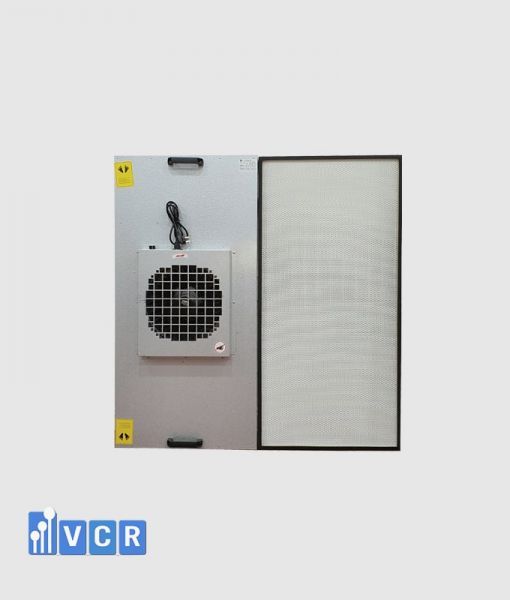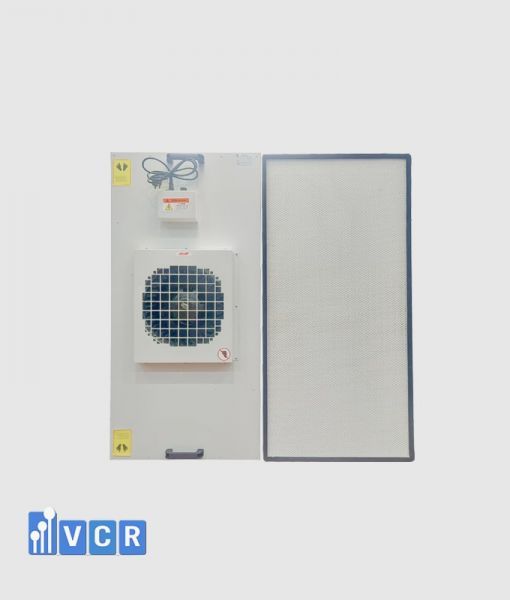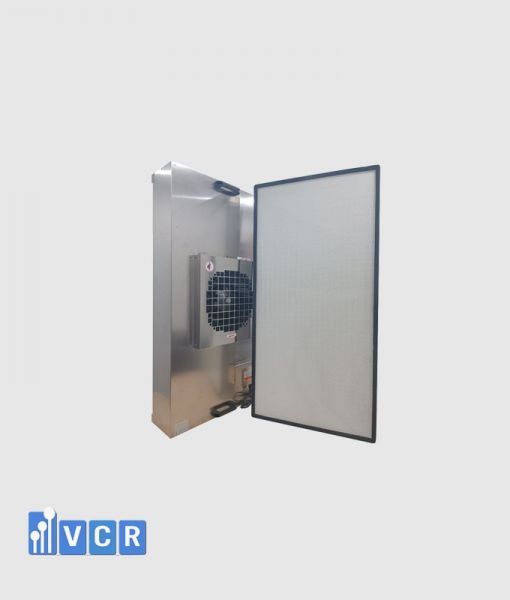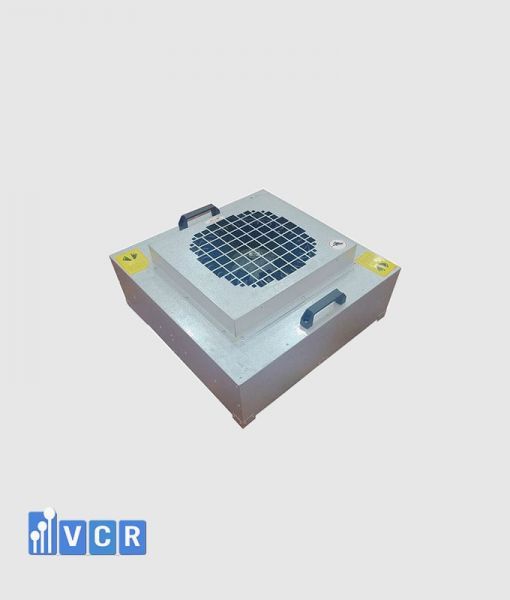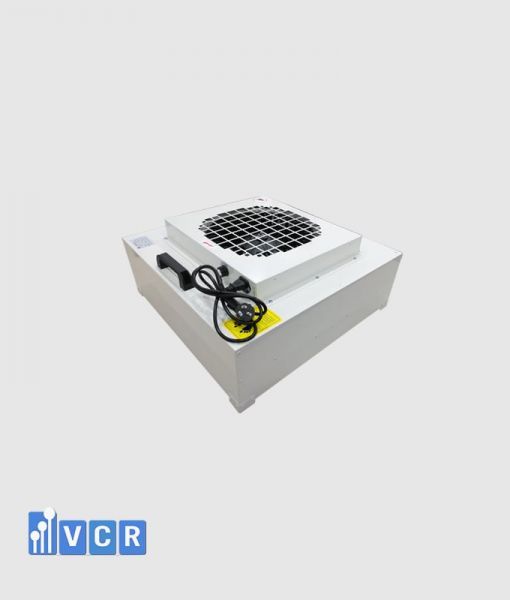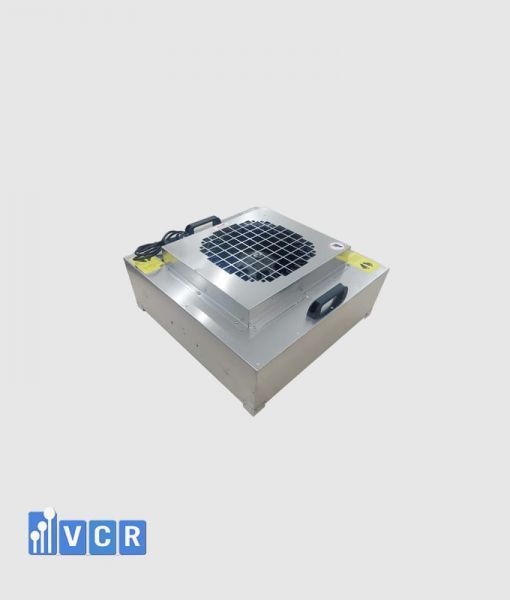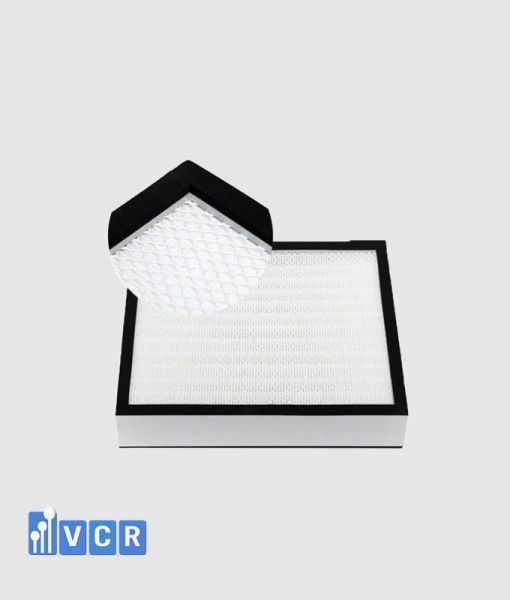


Choosing the right FFU not only affects cost but also determines cleanroom performance. Proper configuration ensures ISO/GMP compliance and long-term stable operation.
- How to select the right FFU for a cleanroom?
- How should FFU size be selected for optimal performance?
- Should you choose HEPA or ULPA filters for FFU applications?
- Should FFUs use AC or EC fans for optimal operation?
- When is a high-end FFU configuration required?
- Which FFU configuration is suitable for Grade B cleanrooms?
- How many FFUs are needed for a cleanroom?
- Should FFUs have adjustable fan speed?
- Should FFUs be integrated with BMS systems?
- What materials are suitable for FFUs in GMP environments?
- Do FFUs require vibration control design?
- Do FFUs require noise reduction design?
- Should energy-efficient FFUs be selected?
- Should FFUs be designed for easy maintenance?
- Do FFUs require noise control as a design parameter?
- Do FFUs require airtight design for performance?
- Should modular FFUs be selected for scalability?
- Do FFUs need to be compatible with HVAC systems?
- Should FFUs be customized for each project?
- How can costs be optimized when selecting FFUs?
In real-world implementation, “VCR Cleanroom Equipment” has found that the biggest mistake is not the equipment itself, but selecting an FFU configuration that does not match operational requirements.
How to select the right FFU for a cleanroom?
Selecting the right FFU starts with clearly defining the required ISO cleanroom class and GMP standards, as these determine airflow and equipment quantity. Next, factors such as room area, ceiling height, and airflow requirements must be calculated to determine the appropriate configuration. Additionally, considerations include fan type (EC or AC), control capability, and energy consumption. A proper selection ensures compliance from the beginning while minimizing long-term operational, maintenance, and audit risks. Poor selection, on the other hand, often leads to inefficiency and costly system adjustments later.
How should FFU size be selected for optimal performance?
FFU size is typically chosen based on ceiling grid modules such as 2x2 or 4x2 feet to ensure easy installation and system compatibility. However, the critical factor is not physical size but airflow capacity. A larger unit does not guarantee better performance if it does not meet airflow requirements. Incorrect sizing can result in insufficient airflow or excessive pressure, affecting cleanroom balance and energy consumption. Therefore, selection should prioritize airflow calculations rather than dimensions alone to achieve optimal performance.
Should you choose HEPA or ULPA filters for FFU applications?
HEPA filters are commonly used in ISO Class 5–8 cleanrooms as they effectively remove particles ≥0.3 microns with reasonable cost. ULPA filters provide higher efficiency and are used in ultra-clean environments such as semiconductor manufacturing. However, ULPA filters are more expensive and create higher resistance, increasing energy consumption. The choice should balance technical requirements and operational costs to avoid unnecessary over-specification that does not bring additional value.
Should FFUs use AC or EC fans for optimal operation?
EC fans are increasingly preferred due to their high efficiency, lower energy consumption, and precise speed control. AC fans, while cheaper initially, consume more power and offer less flexibility. In large systems or GMP environments, EC fans significantly reduce long-term operating costs and integrate better with control systems like BMS. Although EC-based FFUs have higher upfront costs, they provide superior overall performance and sustainability.
When is a high-end FFU configuration required?
High-end FFU configurations are required in environments with strict contamination control, such as ISO Class 5 or Grade A cleanrooms. They are also necessary when handling highly sensitive products like injectables, semiconductors, or medical devices. Advanced configurations often include EC fans, ULPA filters, and intelligent control systems. Investing in high-end FFUs reduces contamination risks, ensures compliance, and avoids costly redesigns or failures in audits.
Which FFU configuration is suitable for Grade B cleanrooms?
In Grade B cleanrooms, FFUs must provide stable and uniform airflow to support adjacent Grade A areas. Typically, high-efficiency HEPA filters are used along with precise airflow control. Low noise and long-term operational stability are also important factors. Selecting the correct FFU configuration ensures a stable background environment, which is essential for maintaining higher-grade clean zones.
How many FFUs are needed for a cleanroom?
The number of FFUs must be calculated based on required airflow (m³/h) and air change rates (ACH), rather than estimation. Room size, ceiling height, and layout must also be considered to ensure uniform airflow distribution. Too few FFUs result in failure to meet ISO standards, while too many increase energy consumption unnecessarily. Accurate calculation during the design phase is critical for achieving both performance and efficiency.
Should FFUs have adjustable fan speed?
FFUs with adjustable fan speed allow airflow to be optimized based on real operational conditions. This improves performance, reduces energy consumption, and supports pressure balancing. In GMP environments, this flexibility is particularly valuable when system loads change. Adjustable speed also reduces wear and extends equipment lifespan, making it a key feature in modern cleanroom systems.
Should FFUs be integrated with BMS systems?
Integrating FFUs with Building Management Systems enables real-time monitoring of airflow, performance, and energy consumption. This is especially important in GMP facilities where traceability and control are required. BMS integration helps detect issues early, optimize system performance, and support audit readiness. While not mandatory, it provides significant operational advantages.
What materials are suitable for FFUs in GMP environments?
In GMP environments, FFU materials must be corrosion-resistant, easy to clean, and non-particle generating. Stainless steel is commonly preferred due to its durability and hygienic properties. Powder-coated steel may be used in less critical areas. Proper material selection ensures compliance with hygiene standards and extends equipment lifespan.
Do FFUs require vibration control design?
Vibration control is essential to prevent structural stress, reduce noise, and maintain system stability. Continuous vibration can shorten equipment life and affect airflow consistency. Anti-vibration features such as dampers or balanced fan design are critical in FFU systems, especially those operating continuously.
Do FFUs require noise reduction design?
Since FFUs operate continuously, noise control is important for maintaining a comfortable working environment. Excessive noise can impact operators and reduce productivity. Proper fan design and housing materials help minimize noise levels while maintaining performance.
Should energy-efficient FFUs be selected?
Energy-efficient FFUs significantly reduce operating costs, especially in large systems with many units. Technologies such as EC fans and intelligent control systems improve efficiency. Although initial costs may be higher, long-term savings justify the investment.
Should FFUs be designed for easy maintenance?
Maintenance-friendly design reduces downtime and service costs. Components such as filters and fans should be easily accessible for inspection and replacement. This is particularly important in GMP environments where maintenance efficiency directly affects production continuity.
Do FFUs require noise control as a design parameter?
Noise control should be considered during design to ensure a stable and comfortable working environment. Proper planning prevents operational issues later and supports compliance with workplace standards.
Do FFUs require airtight design for performance?
Airtight construction ensures that no unfiltered air enters the cleanroom. Proper sealing is critical for maintaining cleanliness levels and preventing contamination. Design details such as joints and gaskets must be carefully implemented.
Should modular FFUs be selected for scalability?
Modular FFUs allow easy system expansion as requirements grow. This provides flexibility for future upgrades and reduces initial investment risks. Modular design is a key advantage in modern cleanroom planning.
Do FFUs need to be compatible with HVAC systems?
FFUs must be properly coordinated with HVAC systems to maintain airflow balance and pressure differentials. Lack of compatibility can lead to system inefficiency and instability. Integrated design ensures optimal performance.
Should FFUs be customized for each project?
Each cleanroom has unique requirements, so FFUs should be customized accordingly. Standard configurations may not deliver optimal performance. Tailored design ensures compliance, efficiency, and long-term reliability.
How can costs be optimized when selecting FFUs?
Cost optimization requires balancing initial investment with long-term operating expenses. Selecting the right configuration avoids overspending while ensuring performance. Proper design from the beginning reduces total lifecycle costs and prevents future modifications.
Duong VCR