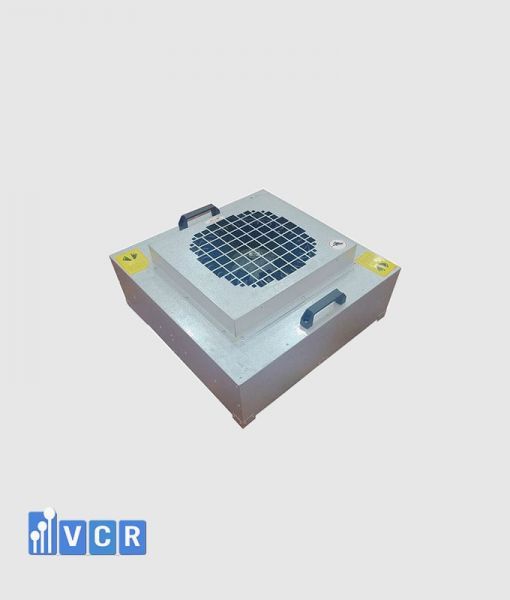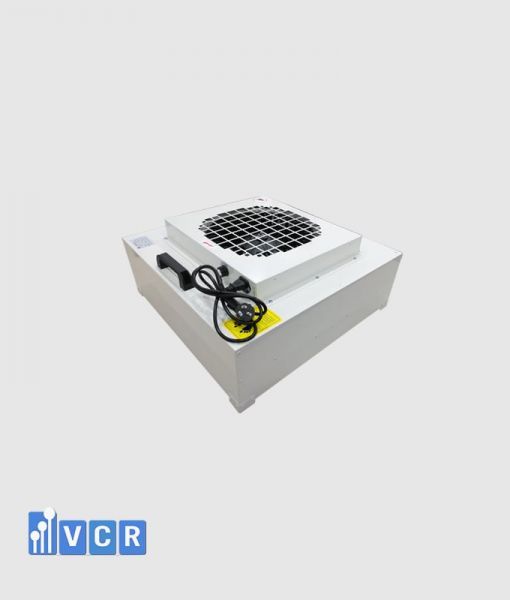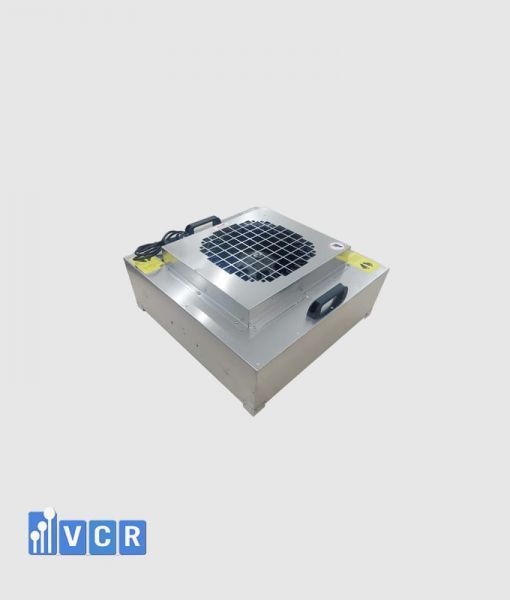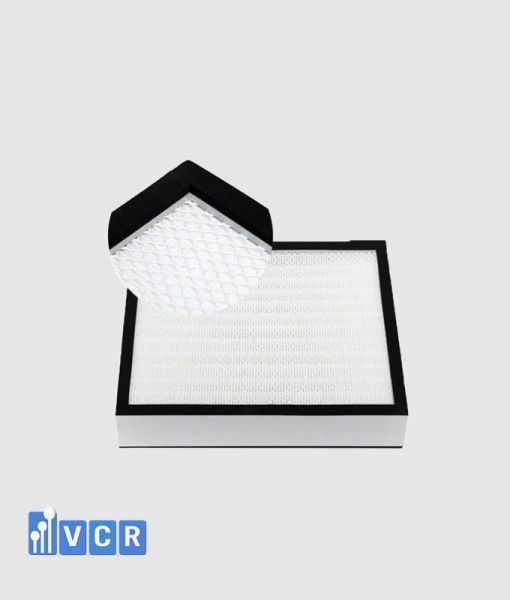


The design and construction of FFUs directly determine cleanroom performance. Understanding each component helps optimize airflow, improve energy efficiency, and ensure ISO/GMP compliance.
- What are the main components of an FFU?
- What types of FFUs are available based on design and configuration?
- What is the working principle of an FFU?
- Can FFUs be integrated with other systems?
- Which component is the most critical in an FFU?
- What type of fan is used in FFUs and why is it important?
- What is the difference between HEPA and ULPA filters in FFUs?
- Does an FFU require a diffuser?
- What materials are used for FFU housing?
- Does an FFU need sound insulation design?
- Does an FFU require vibration control?
- Can FFU fan speed be controlled?
- Can FFUs be connected to BMS?
- Does an FFU need airtight design?
- Can FFUs be installed in a ceiling grid (flush-mounted)?
- Can FFUs be surface-mounted?
- Are FFUs modular and expandable?
- Do FFUs require a dedicated control system?
- Can FFUs be energy optimized?
- Can FFUs be customized for specific projects?
In real-world implementation, “VCR Cleanroom Equipment” has found that performance deviations often come not from the device itself, but from misunderstanding FFU design principles and structure.
What are the main components of an FFU?
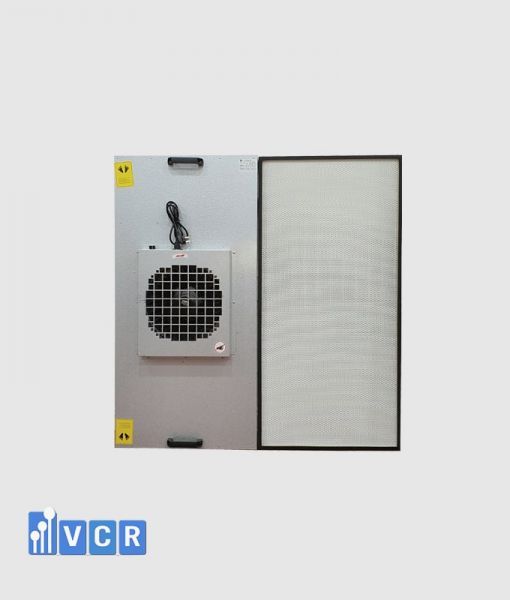
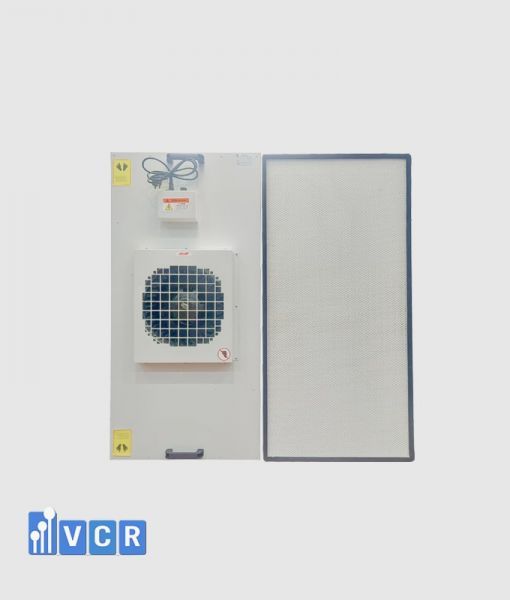
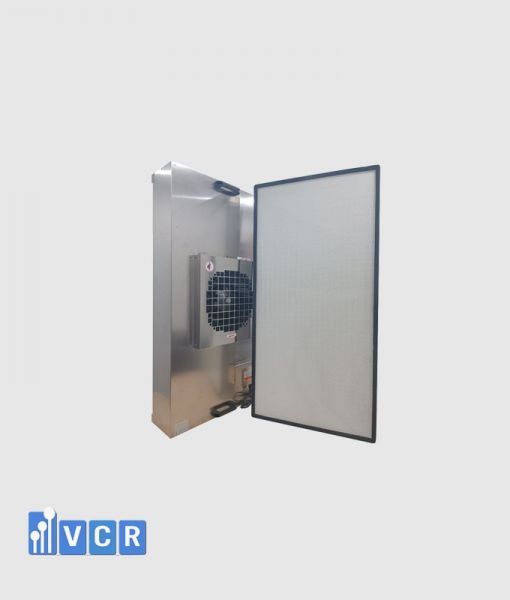
A standard FFU consists of three main groups of components: the fan system, the HEPA or ULPA filter, and the housing. The fan generates airflow by drawing air through the filter, while the filter removes particles and microorganisms. Additional components include an air diffuser, speed controller, and electrical system. The overall design must ensure airtightness, minimize vibration, and distribute airflow evenly. Understanding the full structure helps engineers select the right configuration and optimize cleanroom performance.
What types of FFUs are available based on design and configuration?
FFUs can be classified by fan type (AC or EC), filter type (HEPA or ULPA), and control method. EC fan FFUs are increasingly popular due to their high efficiency, energy savings, and flexible control. FFUs can also be modular, allowing easy expansion or replacement. Choosing the right type depends on cleanroom requirements, ISO/GMP standards, and long-term operational efficiency goals.
What is the working principle of an FFU?
FFUs operate based on a pull–filter–push principle. Air is drawn from above the ceiling by the fan, passed through a HEPA or ULPA filter to remove contaminants, and then pushed downward into the working area. This continuous process creates a stable airflow that maintains cleanroom classification. The effectiveness depends on filter performance, fan design, and airflow control precision.
Can FFUs be integrated with other systems?
FFUs can be integrated with HVAC systems, Building Management Systems (BMS), and environmental monitoring systems. This allows real-time control of airflow, fan speed, and system status. In modern facilities, FFUs are often centrally managed to improve efficiency and ensure stable operation. Integration also supports energy optimization and system-wide coordination.
Which component is the most critical in an FFU?
The HEPA or ULPA filter is the most critical component because it determines filtration efficiency and cleanroom classification. If the filter underperforms, the entire system fails to meet standards. The fan is also crucial as it controls airflow and pressure. Both components must be properly matched to achieve optimal performance.
What type of fan is used in FFUs and why is it important?
FFUs typically use AC centrifugal fans or EC fans. EC fans are preferred in modern systems due to higher efficiency, lower energy consumption, and better controllability. The fan directly affects airflow rate and pressure, making it essential for maintaining cleanroom conditions. Selecting the right fan improves performance and reduces operational costs.
What is the difference between HEPA and ULPA filters in FFUs?
HEPA filters remove at least 99.97% of particles ≥0.3 microns, while ULPA filters provide even higher efficiency for smaller particles. ULPA is typically used in ultra-clean environments such as semiconductor manufacturing. The choice depends on ISO classification and GMP requirements. Incorrect filter selection can result in failure to meet cleanroom standards.
Does an FFU require a diffuser?
A diffuser ensures even air distribution across the working area, reducing turbulence and maintaining laminar airflow. Without a diffuser, airflow may become uneven and cause disturbances. Proper diffuser design is essential for achieving stable airflow patterns.
What materials are used for FFU housing?
FFU housings are typically made from powder-coated steel or stainless steel. Stainless steel is preferred in GMP environments due to its durability, corrosion resistance, and ease of cleaning. The material affects both longevity and compliance.
Does an FFU need sound insulation design?
Yes, FFUs operate continuously, so noise control is important. Excessive noise can affect the working environment and operator comfort. Proper fan design and materials help reduce noise levels.
Does an FFU require vibration control?
Yes, vibration control is essential to prevent structural impact, reduce noise, and extend equipment lifespan. Anti-vibration design ensures stable operation and protects surrounding systems.
Can FFU fan speed be controlled?
Modern FFUs allow fan speed adjustment to control airflow. This enables performance optimization and energy savings while maintaining required cleanroom conditions.
Can FFUs be connected to BMS?
Yes, FFUs can be integrated with BMS for centralized monitoring and control. This improves operational efficiency and allows real-time system management.
Does an FFU need airtight design?
Yes, airtight construction is critical to prevent leakage of unfiltered air. Proper sealing ensures effective filtration and maintains cleanroom standards.
Can FFUs be installed in a ceiling grid (flush-mounted)?
Yes, FFUs are typically installed flush with the ceiling to optimize airflow and space utilization. This is the most common installation method.
Can FFUs be surface-mounted?
In some retrofit applications, FFUs can be surface-mounted. However, airflow performance and sealing must still be carefully ensured.
Are FFUs modular and expandable?
Yes, FFUs are modular systems that can be easily expanded by adding more units. This allows flexibility in scaling cleanroom capacity.
Do FFUs require a dedicated control system?
FFUs can operate independently or be integrated into a centralized control system. This flexibility allows for different operational strategies.
Can FFUs be energy optimized?
Modern FFUs with EC fans are designed for high energy efficiency. Speed control and system integration further enhance energy optimization.
Can FFUs be customized for specific projects?
Yes, FFUs can be customized in terms of size, airflow capacity, filter type, and control features. This allows them to meet specific project requirements and standards.
Duong VCR