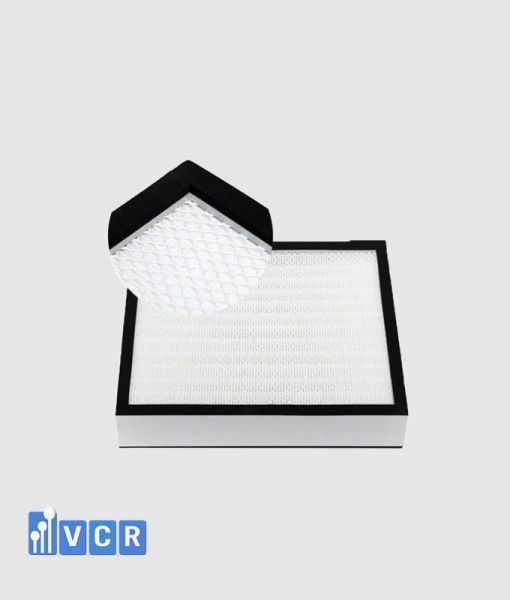

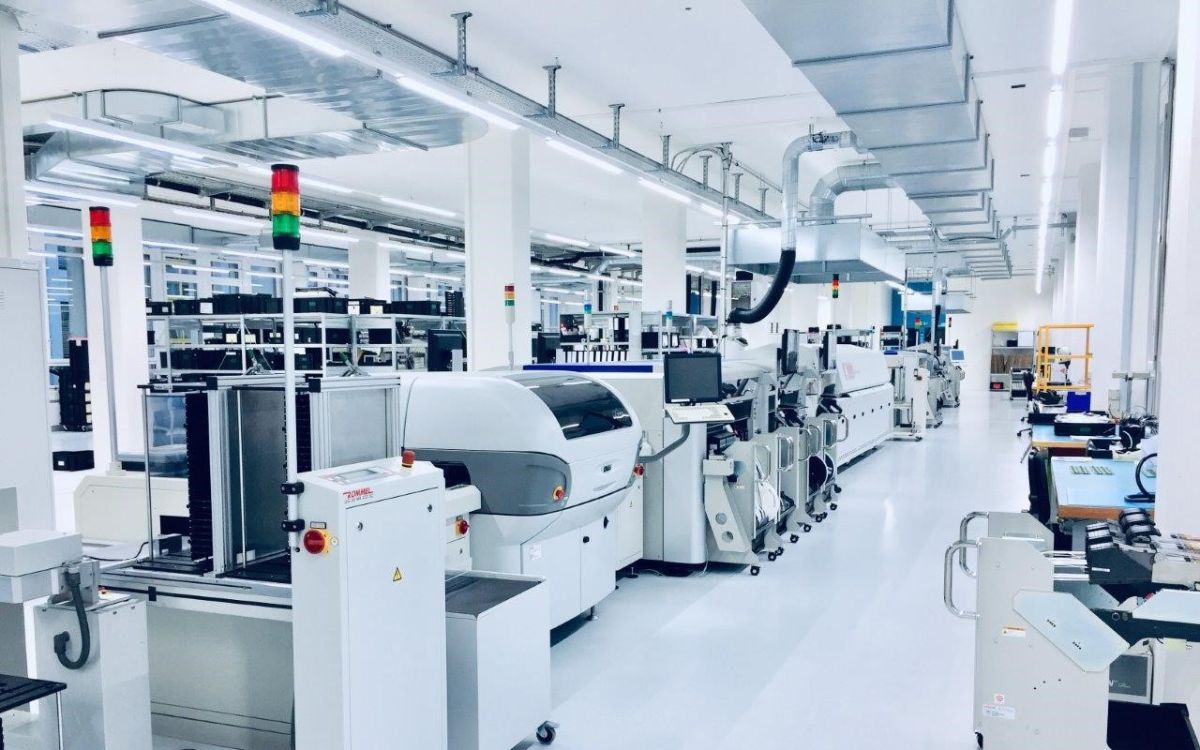
The role and benefits of FFU in SMT lines are increasingly emphasized when cleanliness directly determines the quality of component mounting. With the ability to create one-way airflow and filter ultra-fine dust with HEPA/ULPA, FFU helps reduce soldering errors, limit NG and ensure stability for the entire SMT process.
- 1. What is an FFU? Why is it essential in SMT cleanrooms?
- 2. The Role of FFUs in SMT Production Lines
- 3. Benefits of Using FFUs in Electronics Manufacturing
- 4. Comparing FFU with Other Cleanroom Solutions in Electronics Manufacturing
- 5. FFU Selection Guide for SMT Production Lines
- 6. Frequently Asked Questions About FFUs in SMT Lines
- 7. Need Consultation for FFU Installation in Your SMT Line?
1. What is an FFU? Why is it essential in SMT cleanrooms?
What is a Fan Filter Unit (FFU)?
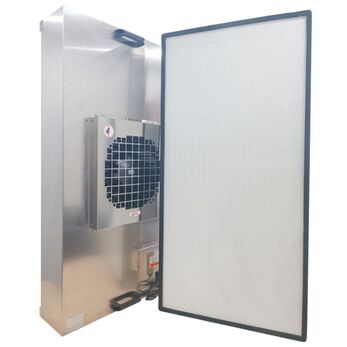
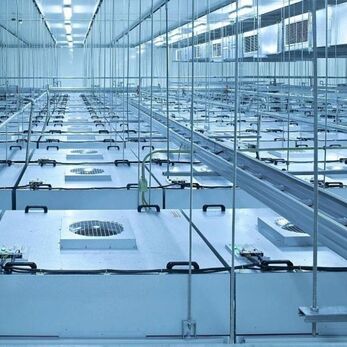
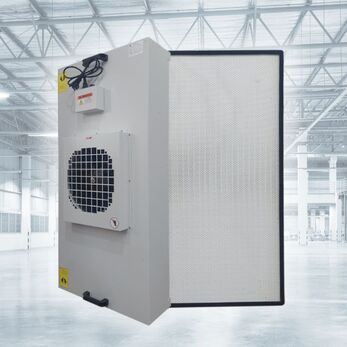
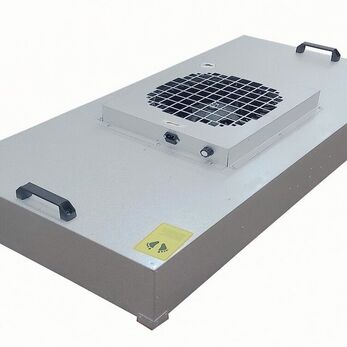
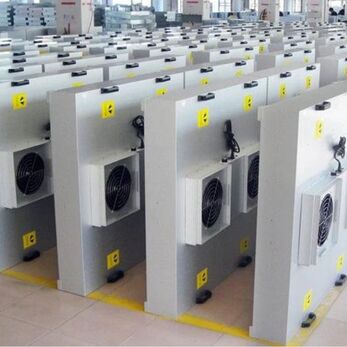
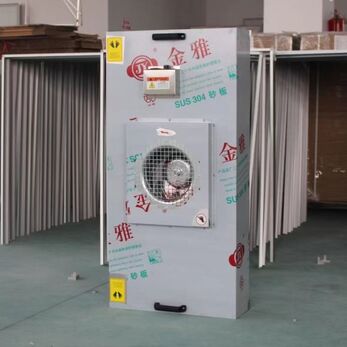
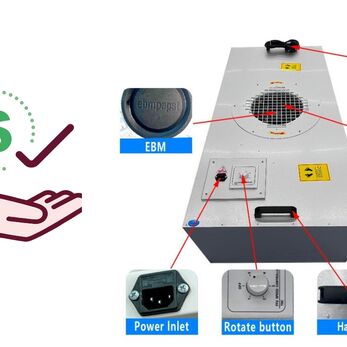
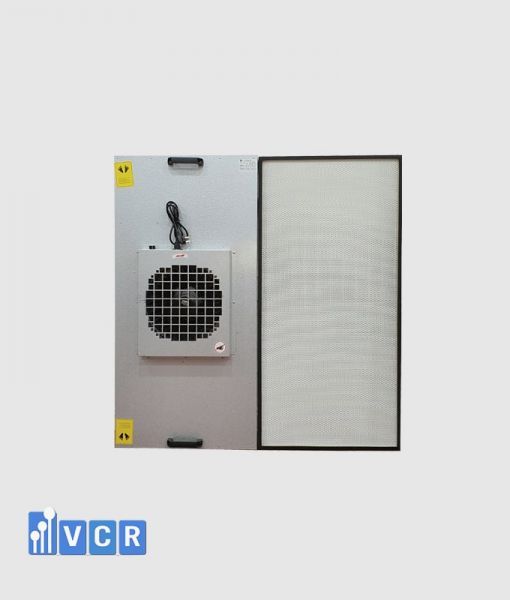
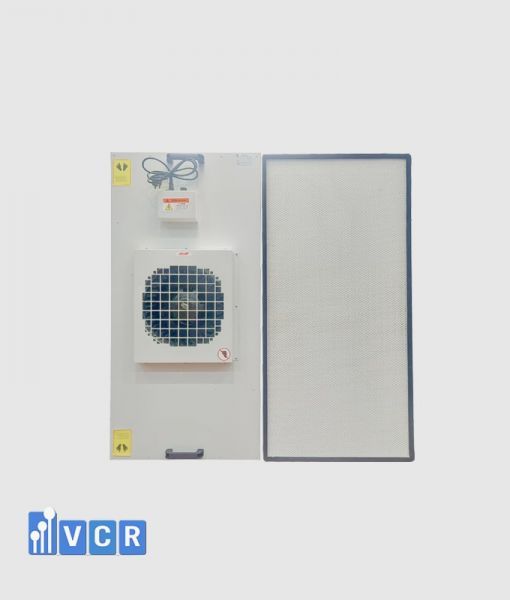
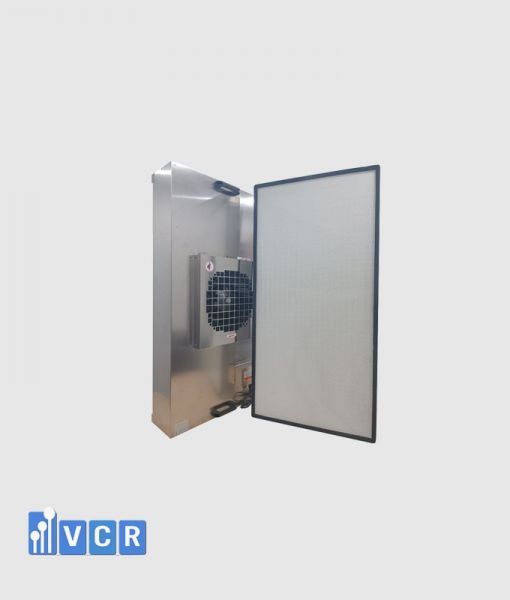
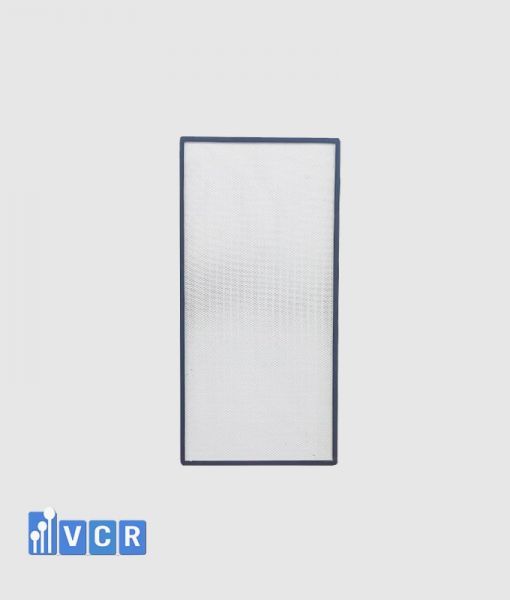
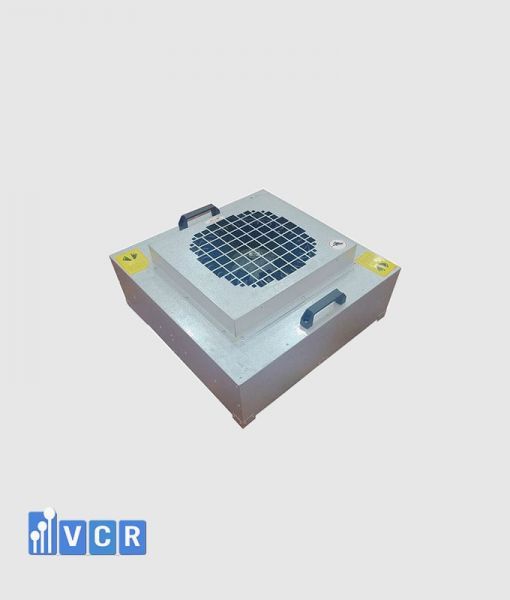
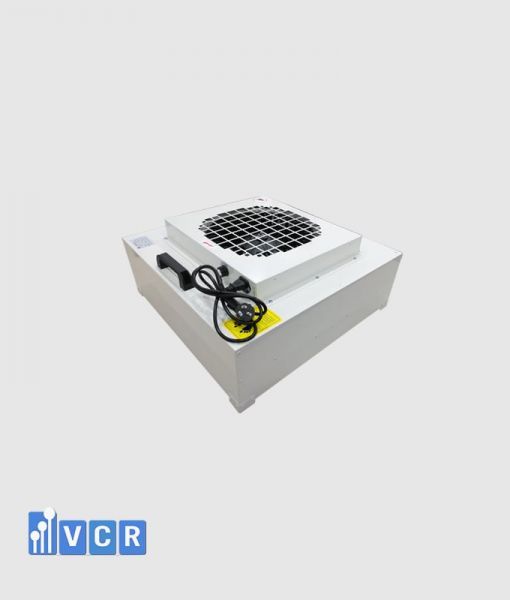
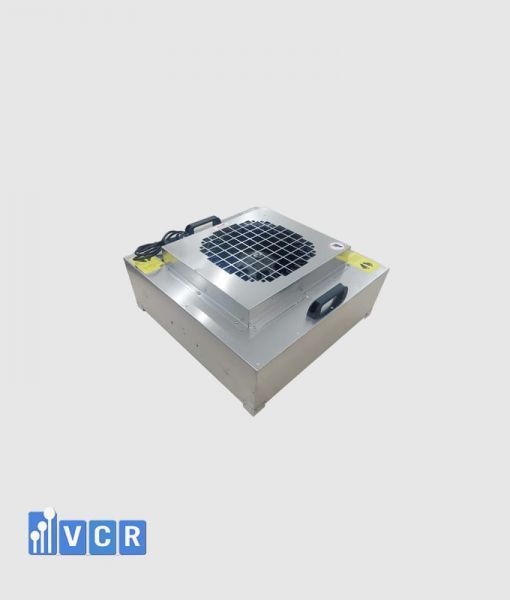
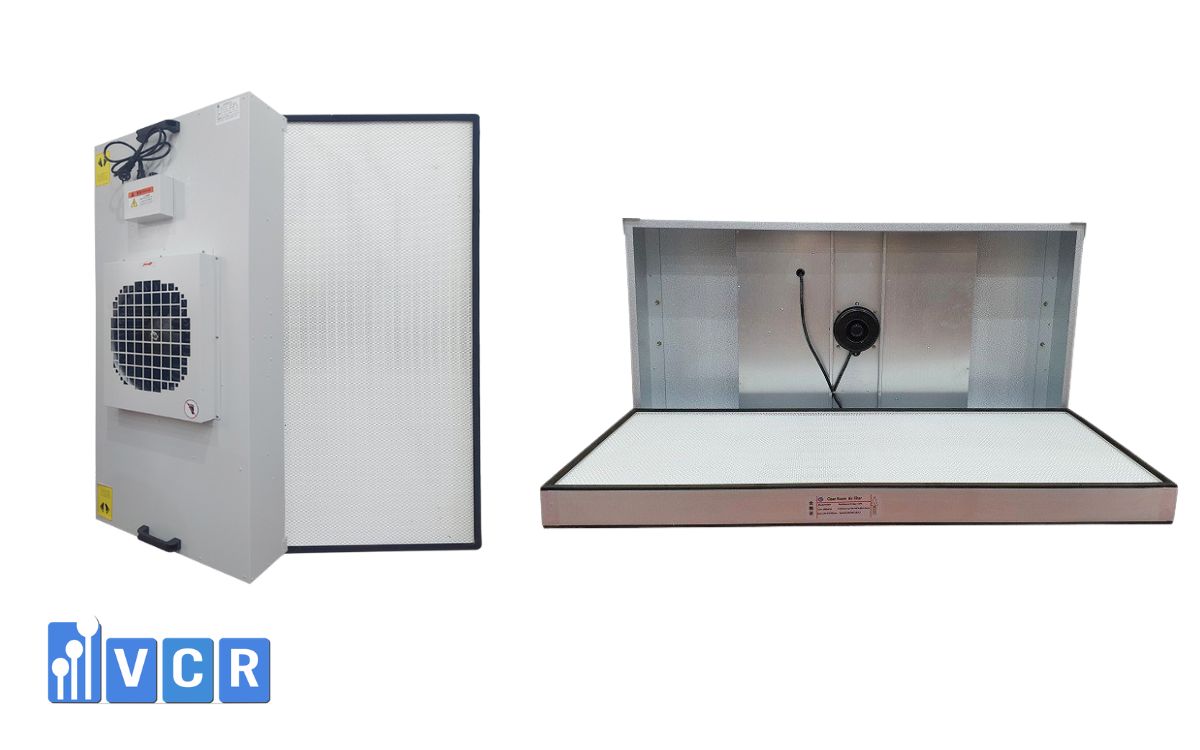
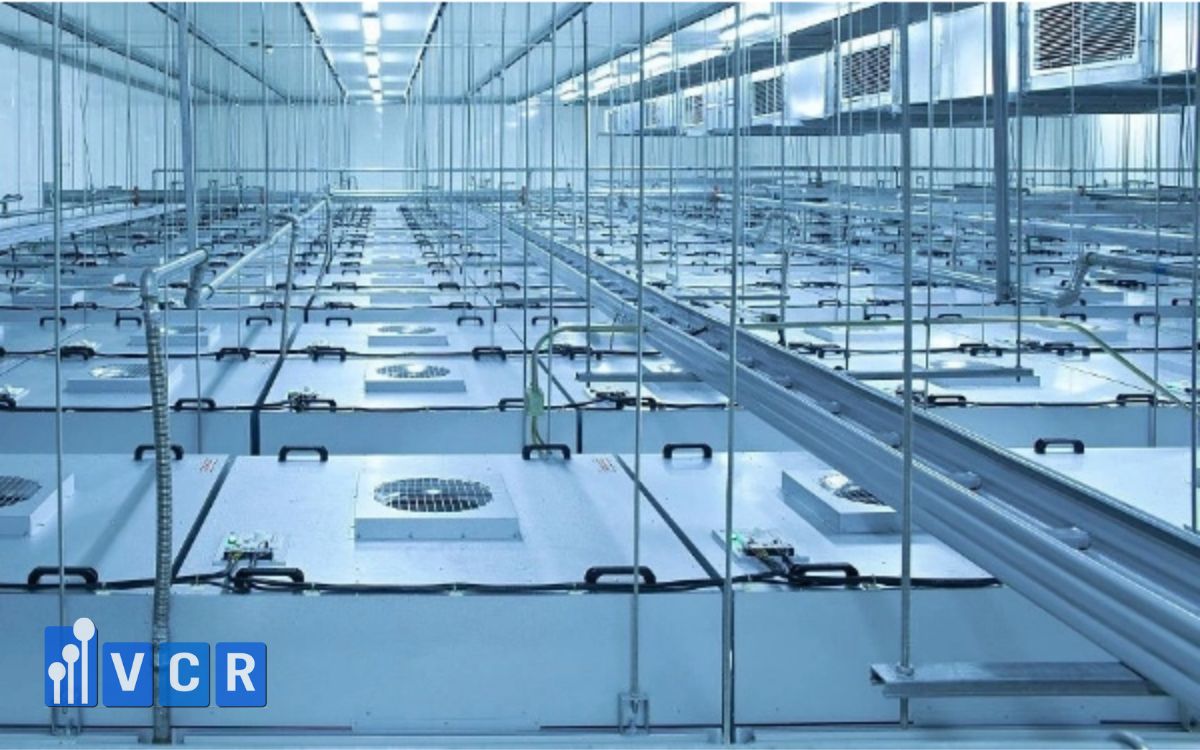
FFU, or Fan Filter Unit, is a device that integrates a fan and a HEPA or ULPA filter, designed to deliver clean air directly downward into the working area. FFUs are typically installed on cleanroom ceilings or inside clean booths to create a steady laminar airflow.
Basic components:
- Centrifugal fan: pulls air from above
- HEPA/ULPA filter: removes up to 99.99% of dust particles ≥ 0.3 microns
- Steel or stainless steel casing: reduces vibration and electrostatic interference
Clean air - a critical factor in SMT production
In SMT (Surface Mount Technology), placing components on PCBs requires ultra-high precision. Even microscopic dust particles can:
- Misalign components during chip mounting
- Cause soldering defects and increase NG rates
- Affect AOI and ICT inspection accuracy
Therefore, the role and benefits of FFU in SMT lines are increasingly focused on when cleanliness directly determines the quality of component mounting.
Why choose FFU over traditional HVAC systems?
Many electronics manufacturers now prefer FFUs over central HVAC systems for the following reasons:
|
Criteria |
Traditional HVAC |
FFU |
|
Initial installation cost |
High |
Moderate |
|
Zone control flexibility |
Limited |
Flexible |
|
Scalability |
Requires system redesign |
Modular expansion |
|
Incident response speed |
Slow |
Fast, localized |
|
Maintenance |
Complicated |
Simple, easy filter replacement |
FFUs are especially suitable for flexible production models with frequent layout changes, or for critical zones such as reflow soldering, BGA mounting, or X-ray inspection.
2. The Role of FFUs in SMT Production Lines
Delivering clean airflow directly over critical zones
In SMT production, areas such as SMT mounters, reflow ovens, and AOI stations are considered critical zones requiring stringent contamination control. Installing FFUs directly above these zones creates downward laminar airflow to push contaminants away, which helps:
- Keep PCB surfaces clean before soldering
- Protect sensitive electronic components
- Stabilize chip mounting accuracy
Maintaining ISO Class 5-7 cleanliness in sensitive areas
Equipped with HEPA or ULPA filters, FFUs can eliminate up to 99.99% of particles ≥ 0.3 microns. Properly placed FFUs can maintain ISO Class 5-7 cleanliness even in standard factory environments, especially useful for:
- Camera module and sensor lines
- Medical devices, semiconductors, and RF components
Reducing defects and increasing yield rate
Each dust particle on a PCB can lead to:
- Open circuits or component misalignment
- Poor solder joints, voids
- Errors in final inspection
By eliminating airborne contaminants, FFUs help improve yield rates and reduce waste and production costs.
Improving process stability for soldering and inspection
Temperature, airflow, and air purity directly affect soldering and AOI/X-ray results. A stable FFU system helps:
- Prevent turbulent airflow interference
- Maintain uniform PCB surface temperature
- Keep camera lenses in AOI/X-ray equipment dust-free
In short, FFUs go beyond air filtration-they are a total quality assurance solution for modern SMT production lines.
3. Benefits of Using FFUs in Electronics Manufacturing
FFUs offer a flexible, cost-effective, and high-efficiency solution for electronics manufacturers, including SMT, LED, and semiconductor factories. Key benefits include:
|
Benefit |
Detailed Description |
|
Improved production efficiency |
Removes dust from critical zones, reduces NG rates, increases yield, and lowers scrap costs |
|
Flexible scalability |
Operates independently per machine cluster; easy to add units when expanding lines |
|
Lower operating costs |
Consumes less energy than central HVAC, reduces long-term operating expenses |
|
Ease of maintenance |
Modular design enables localized filter replacement without interrupting the entire line |
|
Standards compliance |
Meets ISO 14644 cleanliness, ESD protection, and IPC-A-610 electronics manufacturing standards |
Why manufacturers are shifting toward FFU systems
This shift isn’t just technical-it aligns with operational optimization trends. FFUs support lean manufacturing and modular cleanroom strategies, helping companies reduce upfront investment and easily adapt to layout changes.
4. Comparing FFU with Other Cleanroom Solutions in Electronics Manufacturing
In electronics manufacturing-especially SMT lines that demand high cleanliness-choosing the right air filtration system is a critical factor affecting product quality and process efficiency. Below is a comparison of FFU, HEPA Box, and centralized AHU systems to help decision-makers evaluate options:
FFU vs HEPA Box
|
Criteria |
FFU |
HEPA Box |
|
Operating Mechanism |
Integrated fan + filter providing independent clean airflow |
Requires clean air supplied from AHU |
|
Installation |
Flexible, does not rely on centralized system |
Dependent on HVAC system design |
|
Application |
Modular cleanrooms, clean benches, small SMT lines |
Large cleanroom systems with central AHU |
|
Adjustability |
Easy to control individual units |
Dependent on airflow from AHU |
|
Investment Cost |
Moderate - cost-effective long term |
Low initial cost but depends on HVAC system |
FFU vs Centralized AHU
|
Criteria |
FFU |
AHU (Air Handling Unit) |
|
Control Accuracy |
Precise for each zone |
Covers large areas, less flexible |
|
Scalability |
Easy to add new units or expand lines |
Requires full system recalculation |
|
Maintenance |
Localized, no interruption to entire system |
Complex, often requires system shutdown |
|
Noise & Vibration |
Can be controlled individually |
Difficult to reduce across large systems |
|
Energy Efficiency |
Optimal if designed by zone |
May waste energy if running full time |
Application Recommendations: When to Use FFU?
|
Scenario |
Recommended Solution |
|
Small, flexible production lines |
Use standalone FFUs or combine with clean booth |
|
Zones requiring high cleanliness (ISO 5-6) |
Zone-based FFUs over SMT, AOI, reflow areas |
|
New factories without HVAC |
Deploy full FFU setup to save on infrastructure costs |
|
Large factories with existing AHU |
Combine AHU + HEPA Box + FFU for critical zones |
5. FFU Selection Guide for SMT Production Lines
Choosing the right FFU ensures optimal air filtration performance, cost control, and process-specific suitability. Below are key technical criteria and suggested configurations:
Key Criteria to Consider
|
Parameter |
Recommended Choice |
|
Air Velocity |
Ideally 0.45 ± 0.1 m/s for stable laminar flow |
|
Fan Type |
EC fan for energy savings and high stability; AC fan for lower cost but higher power consumption |
|
Noise Level |
Under 50 dB(A) in direct working zones |
|
Adjustability |
Prefer FFUs with inverter or speed control |
|
Module Size |
Common sizes: 600x1200mm or 600x600mm depending on ceiling layout and machinery |
Suggested Configurations for SMT Zones
|
Area |
FFU Setup Recommendation |
|
SMT Chip Mounters |
High-speed FFU directly aligned with the machine |
|
Reflow Ovens |
Temperature-stable FFU with vibration-proof frame |
|
AOI/X-ray Inspection |
FFU with anti-static mesh to reduce camera noise |
|
Packaging Area |
Standard FFU combined with pre-filters - no need for top-level cleanliness |
Get Expert Advice from VCR’s FFU Specialists
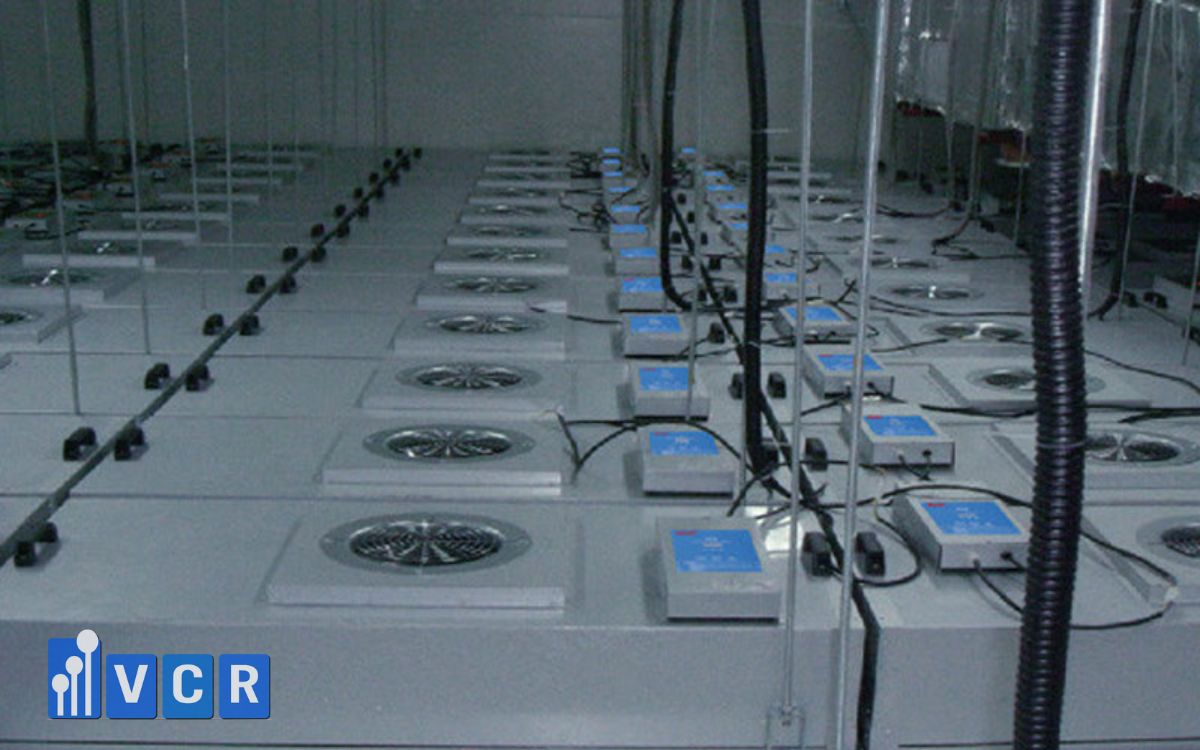
Each SMT line has unique spatial, product, and process requirements. VCR offers on-site consultation services, including:
- Airflow and cleanliness assessment
- Calculation of quantity and placement of FFUs
- Recommendation of fan types, filters, and housing materials
- Support in designing clean booths for localized zoning
Contact the VCR FFU team now for a free initial design plan tailored to your production line.
6. Frequently Asked Questions About FFUs in SMT Lines
1. Are FFUs mandatory in all SMT lines?
→ Not mandatory. However, for high-precision electronics manufacturing such as semiconductors, medical devices, and image sensors, FFUs help:
- Reduce defect rates caused by dust
- Stabilize production environment
- Increase reliability and product lifespan
2. Is a full cleanroom necessary when installing FFUs for SMT?
→ Not necessarily. For small lines or independent workstations, FFUs can be combined with clean booths or ceiling-mounted units to create localized clean zones, minimizing infrastructure costs while maintaining technical standards.
3. Are FFUs expensive to install?
→ Initial investment may be higher than simple filters, but:
- FFUs have a long filter lifespan (HEPA typically lasts 2-3 years)
- They reduce long-term operating costs
- They decrease defects and improve production efficiency
FFUs are a worthy investment for companies targeting high-quality manufacturing that meets international standards like ISO 14644 or IPC-A-610.
7. Need Consultation for FFU Installation in Your SMT Line?
With over 10 years of experience in cleanroom equipment, VCR provides optimized FFU solutions tailored to all types of electronics production-whether large-scale SMT factories or small, flexible assembly lines.
- On-site technical consultation
- Customized FFU layout design per production line
- Equipment compliant with ISO 14644 and IPC-A-610 standards
Hotline: 090.123.9008
Email: [email protected]
Website: https://ffu.com.vn/
Diep VCR