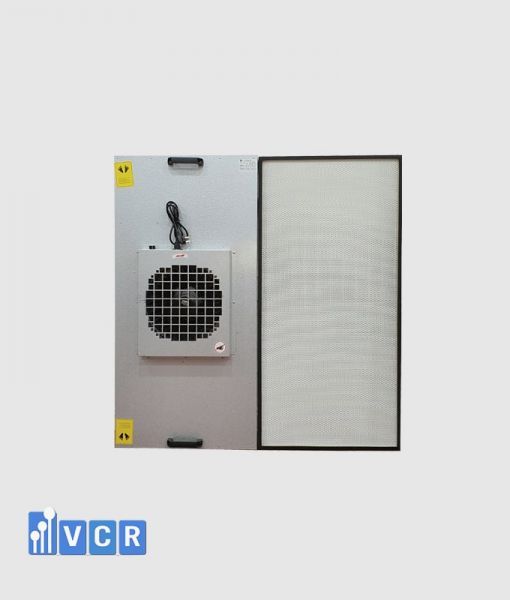
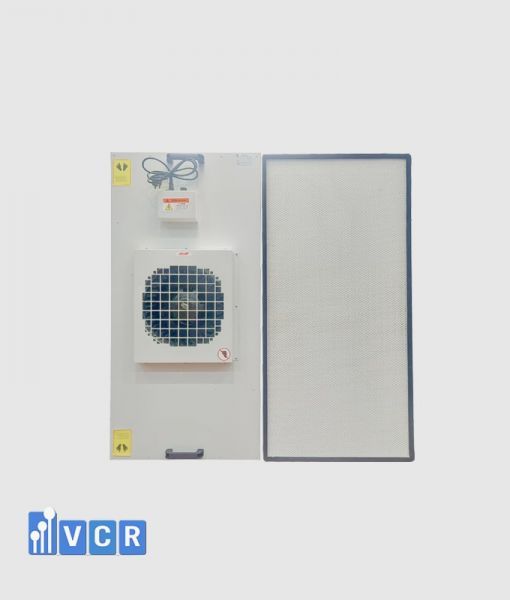
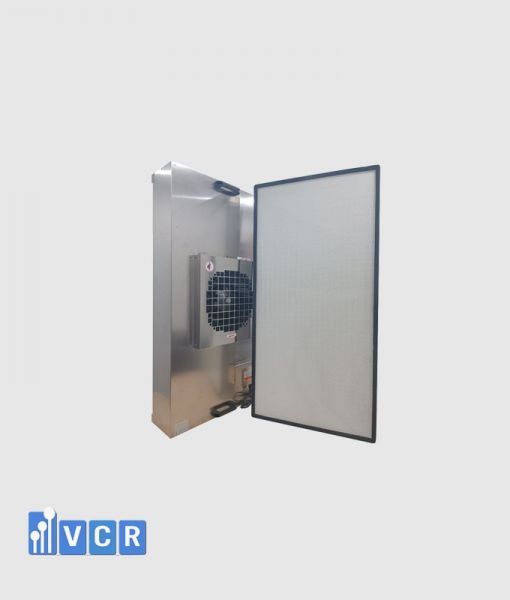
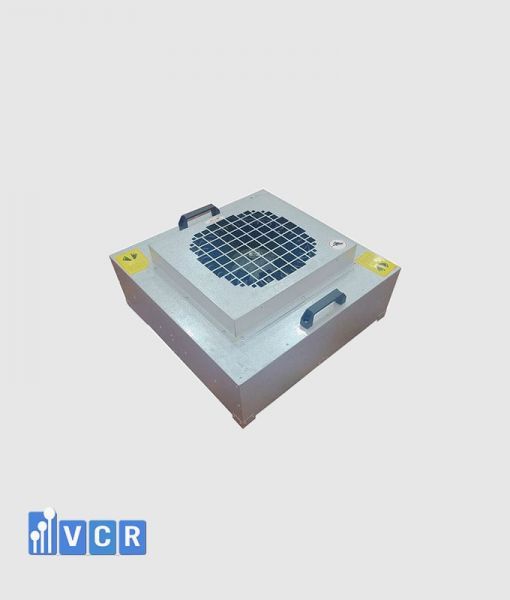
In real-world audits, “VCR Cleanroom Equipment” has found that most issues are not related to FFU hardware itself, but to missing documentation, weak procedures, and lack of compliance control.
What do GMP audits check regarding FFUs?
In GMP audits, FFUs are evaluated as part of the environmental control system, focusing on both technical performance and compliance documentation. Auditors typically review airflow velocity, particle count results, and the ability to maintain stable cleanroom conditions. They also assess equipment condition, maintenance history, and actual operational practices. In addition, FFU integration with HVAC systems and pressure control performance are examined. The objective is to ensure that FFUs operate as designed and do not introduce contamination risks into the manufacturing process.
What documentation is required for FFU during a GMP audit?
FFU documentation must include technical data, design drawings, HEPA filter certificates, and test reports such as DOP or PAO results. Additionally, qualification documents (IQ, OQ, PQ) are required to demonstrate correct installation and operation. Operational logs, maintenance records, and SOPs must also be available. Complete documentation enables auditors to quickly verify compliance and reduces the likelihood of non-conformities.
Are SOPs required for FFU operation and maintenance?
Yes, SOPs are mandatory in GMP systems to ensure consistent operation and maintenance of FFUs. SOPs standardize processes, reduce dependency on individual operators, and minimize errors. Auditors evaluate not only the existence of SOPs but also how well personnel follow them. A well-developed SOP should be clear, practical, and regularly updated. Missing or outdated SOPs are common audit findings.
What should be prepared before a GMP audit related to FFUs?
Before an audit, a full review of FFU systems should be conducted, including equipment condition and documentation completeness. Airflow measurements should be verified, and all operational parameters must be within design limits. Documentation such as logs, maintenance records, and SOPs should be up to date. Operators should also be trained to confidently respond to auditor questions. Proper preparation reduces stress and increases audit success.
What are common FFU-related findings in GMP audits?
Common findings often involve documentation gaps, incomplete logs, or lack of adherence to SOPs rather than equipment defects. Missing periodic inspections or lack of evidence for testing is also a frequent issue. In some cases, airflow performance does not meet design requirements due to insufficient verification. These issues can result in non-compliance and affect overall GMP status.
Do FFUs require IQ/OQ/PQ qualification for audit compliance?
Yes, FFUs must undergo IQ, OQ, and PQ qualification to demonstrate suitability for GMP use. IQ confirms correct installation, OQ verifies functional performance, and PQ ensures consistent performance under actual conditions. These qualifications provide essential evidence for auditors to validate system reliability and compliance. Without them, FFUs may be considered unqualified for production use.
Is periodic HEPA filter testing required for compliance?
Yes, HEPA filters must be tested regularly using DOP or PAO methods to confirm filtration integrity. This testing detects leaks or performance degradation that could compromise cleanroom conditions. Regular verification is mandatory in GMP environments because filtration performance directly impacts cleanliness levels. Failure to conduct periodic testing can lead to compliance issues and contamination risks.
Is airflow verification required during audits?
Airflow is a key performance parameter and is always reviewed during audits. Auditors may request historical data or perform on-site measurements to confirm compliance. Proper airflow ensures stable environmental control and supports cleanroom classification. Deviations may indicate system imbalance or equipment issues that must be corrected.
Are operational logs required for FFUs?
Yes, operational logs are essential for demonstrating consistent equipment use and compliance. Logs should include operating times, parameter readings, and any incidents. Auditors rely on logs to assess traceability and system control. Incomplete or missing logs are common compliance issues.
Is periodic maintenance required for audit compliance?
Regular maintenance is necessary to ensure FFUs continue to perform as designed. Auditors review maintenance schedules and records to verify compliance. Lack of maintenance can lead to performance degradation and non-compliance.
Is microbial control required for FFUs in GMP audits?
In pharmaceutical environments, microbial control is essential to prevent contamination. FFUs must not become sources of microbial growth. Regular monitoring and cleaning ensure hygienic operation and compliance.
Is technical documentation required for FFUs?
Technical documentation such as datasheets, drawings, and manuals is required to demonstrate that FFUs meet design and operational requirements. These documents support both validation and audit processes. Missing documentation may lead to non-compliance findings.
Is pressure differential monitoring required?
Yes, pressure differential control is critical for contamination prevention. FFUs influence airflow and pressure balance, so monitoring is necessary to ensure system stability. Deviations can indicate performance issues.
Should FFUs be integrated with monitoring systems?
Integration with monitoring systems allows real-time tracking of FFU performance and supports audit readiness. It enables early detection of deviations and improves system control. While not always mandatory, it is highly recommended in modern GMP facilities.
Is periodic inspection required for FFUs?
Yes, regular inspections help detect early signs of issues and maintain system stability. Inspection records are also required for audit compliance. Preventive checks ensure consistent performance.
Is operator training required for FFU compliance?
Yes, trained personnel are essential for proper FFU operation and compliance. Auditors assess both equipment and operator knowledge. Continuous training ensures consistent performance and adherence to procedures.
Can FFUs cause audit failure if non-compliant?
Yes, non-compliant FFUs can lead to audit failure, especially if they affect environmental control or lack proper documentation. This can impact the entire GMP system and production approval.
Is risk assessment required for FFUs in GMP?
Yes, risk assessment is part of modern GMP practices. It helps identify potential contamination risks associated with FFUs and implement control measures. Proper risk management improves system reliability.
Is airtightness testing required for FFUs?
Yes, airtightness ensures no unfiltered air enters the cleanroom. Regular testing confirms system integrity and supports compliance. Leakage can compromise cleanliness levels and must be addressed.
How can FFUs remain audit-ready at all times?
To remain audit-ready, FFUs must be supported by complete documentation, regular inspections, proper maintenance, and trained personnel. Continuous monitoring and record-keeping ensure compliance is maintained at all times. A proactive approach reduces risks and ensures successful audits.
Duong VCR